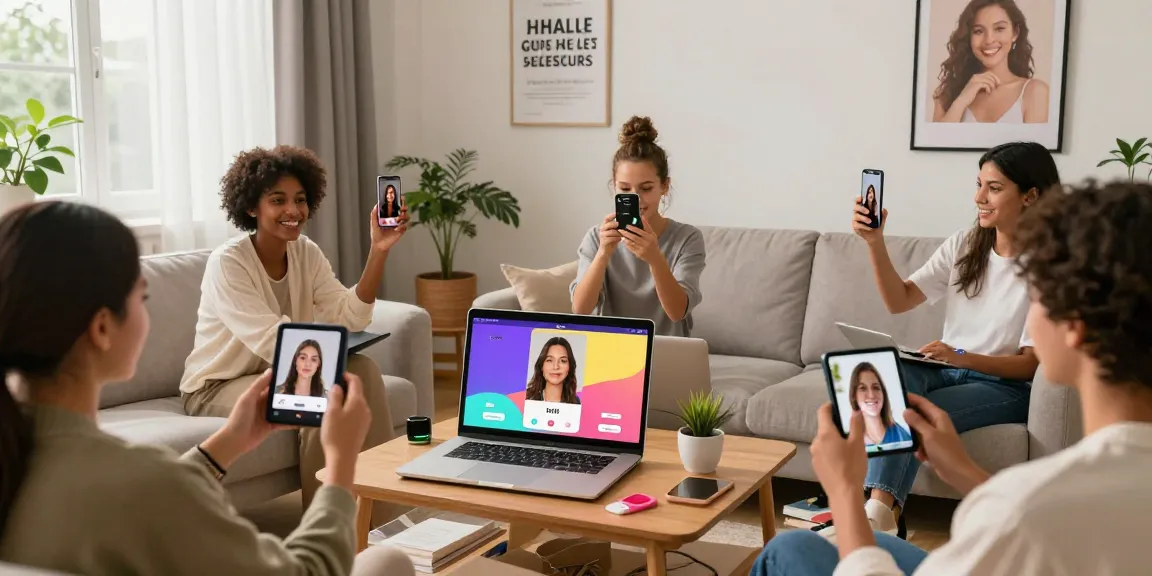

Understanding Age Perception
The question of "how old do I look?" is more than just a playful inquiry; it dives deep into the realms of psychology, social dynamics, and technological advancements. Age perception plays a crucial role in how we interact with the world and how others perceive us. The curious blend of biological age, societal norms, and technological insights shapes this multifaceted question. By exploring various factors, we can better understand why age estimation has garnered attention and how modern technology has transformed this inquiry into a fun and insightful experience. When exploring options, how old do I look tools provide comprehensive insights into how our appearances resonate with our perceived age.
What Factors Influence How Old Do I Look?
Several elements contribute to how old a person appears, and these factors can be broadly categorized into biological, environmental, and psychological influences.
- Genetics: Our genetic makeup plays a significant role in our aging process. People from the same family often exhibit similar aging traits.
- Skin Health: The condition of your skin, including texture, elasticity, and pigmentation, can greatly influence age perception. Factors like sun exposure and smoking can accelerate skin aging.
- Facial Expressions: Frequent facial movements, such as frowning or smiling, can lead to the development of wrinkles and fine lines, impacting perceived age.
- Weight and Health: Body weight and overall health can also affect how old someone appears. A healthy lifestyle can enhance youthfulness.
Cultural Perspectives on Age Perception
The perception of age varies significantly across cultures. In some societies, age is celebrated as a symbol of wisdom and experience, while in others, youth is glorified. Such cultural norms can influence how individuals internalize their age and how they are perceived by others.
- Western Cultures: Often prioritize youth, leading to an abundance of anti-aging products and procedures.
- Eastern Cultures: Typically honor age and view aging as a process of gaining respect and wisdom.
Common Misconceptions About Age Estimation
As technology provides new ways to estimate age, it's essential to address some misconceptions surrounding these tools. Many people believe that an age estimation tool can give a definitive answer, but this isn't entirely accurate. Different algorithms and data sets can yield varied results. Additionally, individual differences such as ethnicity and skin type can influence outcomes.
AI Age Estimation Technology
Artificial Intelligence (AI) has transformed the field of age estimation by providing quick and surprisingly accurate results. By analyzing various facial features, AI can estimate biological age more reliably than ever before.
How Does AI Analyze Facial Features?
AI uses machine learning algorithms to assess facial landmarks, such as the eyes, mouth, and contours of the face. By training on large datasets, these algorithms learn to identify signs of aging. Key features analyzed include:
- Wrinkles and fine lines
- Skin texture and tone
- Facial structure and symmetry
Comparative Analysis: AI vs. Human Judgment
While human judgment can be influenced by subjective biases, AI offers a level of objectivity. Studies show that AI can outperform humans in accuracy regarding age estimation, as it consistently relies on data-driven conclusions rather than personal perceptions.
Latest Advancements in AI Age Estimation
The field is continually evolving, with new algorithms being developed that can incorporate factors such as ethnic background and lifestyle choices. Moreover, AI models now have the capability to analyze not just photographs but can also provide real-time age estimations via video feeds.
User Experience in Age Estimation Tools
The user experience surrounding age estimation tools is essential in determining their effectiveness and popularity. Understanding how users interact with these tools can lead to improvements and innovations.
How to Choose the Right Age Estimation App?
Given the plethora of available applications, selecting the right one requires careful consideration. Users should look for:
- Ease of use and intuitive design
- Privacy policy and data handling practices
- Accuracy of estimates compared to user feedback
Privacy Considerations When Using AI Tools
With any technology that processes personal data, privacy is a major concern. Users should be cautious about the apps they choose and ensure that their data is handled securely.
User Engagement: Making the Process Fun!
Engagement can be enhanced through gamification elements, where users can share results, compare with friends, or even participate in challenges. This approach not only makes the experience enjoyable but also encourages more people to explore their perceived age.
Real-World Applications of Age Estimation
Age estimation tools extend beyond mere curiosity; they play significant roles in various industries, from marketing to personal development.
Uses in Marketing and Advertising Strategies
Brands utilize age estimation technology to tailor their marketing strategies. By understanding their target demographic's perceived age, companies can design products and engage in promotional activities that resonate more effectively with their audience.
Impact on Personal Image and Self-Perception
The results from age estimation tools can impact individual self-perception. Understanding how old one appears can lead to changes in grooming habits, lifestyle choices, and self-esteem.
Case Studies: Successful Campaigns Using Age Estimation
Some brands have successfully integrated age estimation tools within their campaigns, creating interactive elements that engage consumers. For instance, beauty brands have launched campaigns that encourage users to discover their "real age" as part of a product promotion, resulting in increased consumer interaction and brand loyalty.
Future Trends in Age Estimation Technology
As technology progresses, the future of age estimation tools looks promising. We can expect to see significant advancements in both accuracy and application.
Looking Ahead: What's Coming in 2026?
By 2026, we anticipate the integration of more complex data inputs, such as health metrics from wearable devices, providing even more personalized age estimations.
Integrating Age Estimation with Other Technologies
Future tools are likely to merge age estimation with augmented reality (AR) for a more immersive user experience. Imagine seeing your predicted age applied to a live image of yourself in real-time.
Expert Predictions on Age Perception Shifts
Experts believe that as the technology becomes more accessible, societal perceptions of age—how it is viewed, celebrated, or feared—will continue to shift, leading to broader conversations about aging in our culture.