Understanding Flathead Equipment Rental
What is Flathead Equipment Rental?
Flathead equipment rental refers to the leasing of construction and heavy machinery in the Flathead Valley region. This service enables contractors, homeowners, and businesses to access high-quality equipment without incurring the heavy costs associated with purchasing outright. By utilizing flathead equipment rental, users can select from a variety of machinery and tools tailored to their project's specific needs, whether for excavation, landscaping, or general construction tasks.
Benefits of Choosing Flathead Equipment Rental
Opting for flathead equipment rental offers numerous advantages. Firstly, it significantly reduces capital expenditure as rental agreements allow users to pay only for the duration they use the equipment. This flexibility ensures access to the latest models that feature advanced technology, often providing superior performance and safety features compared to older machines. Moreover, maintenance, repairs, and storage concerns typically fall under the rental agreement, alleviating the burden from the user. Additionally, renting can improve cash flow for businesses, allowing investments in other critical areas. Lastly, seasoned rental providers often offer knowledgeable staff who can guide customers in selecting the right equipment tailored to their project requirements.
Key Considerations Before Renting
Before committing to a flathead equipment rental, several factors warrant consideration. Awareness of rental terms, including rental duration and incurred fees for late returns, is crucial. Potential renters should consider their project timeline and equipment compatibility with the tasks at hand. Furthermore, verifying the rental company's reputation and reliability is essential to ensure they provide well-maintained and safe equipment. Customers should also inquire about transportation logistics and if delivery services are included in the rental agreement, as moving heavy machinery can be a daunting task without proper resources.
Types of Flathead Equipment Available for Rent
Excavators: Essential for Large Projects
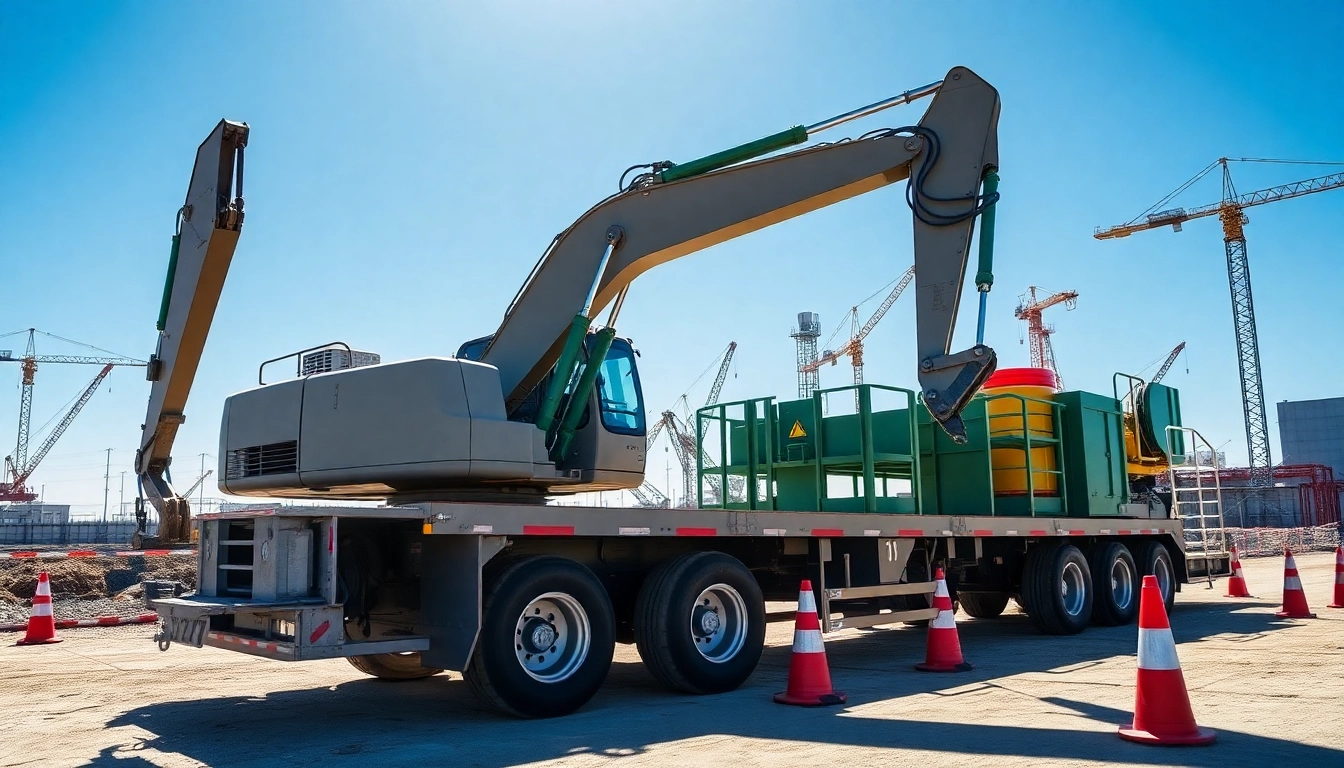
Excavators are one of the most sought-after large pieces of equipment available through flathead equipment rental services. These machines are invaluable for digging, landscaping, demolition, and heavy lifting. Whether it’s a small residential project or a major construction site, excavators come in various sizes and configurations to meet diverse needs. Key features include hydraulic arms that offer precision and versatility in movement. For projects requiring significant earthworks, there are models equipped with additional attachments like buckets and grapples, enhancing overall efficiency.
Flatbed Trailers: Transportation Made Easy
Flatbed trailers play a crucial role in transporting heavy equipment, building materials, and wide loads. Rental services typically offer different sizes and weight capacities suitable for various project needs. Utilizing flatbed trailers can streamline the logistics involved in transporting equipment to and from job sites, ensuring that projects can progress without unnecessary delays. They facilitate safer loading and unloading, which is essential when handling heavy machinery. Renting a flatbed trailer alongside necessary equipment can provide a comprehensive solution to project logistics.
Skid Steers: Versatile Solutions for Restricted Spaces
Skid steers are compact, maneuverable machines ideal for projects in tight spaces where larger equipment cannot operate efficiently. Their versatility allows for various attachments, including buckets, forks, and even augers for drilling. The design facilitates quick and easy transitions between tasks, making them suitable for landscaping, grading, and site preparation projects. With increased power and efficiency, skid steers are particularly beneficial for both residential and commercial applications where productivity is paramount. Also, their relatively compact size allows for easier transport, making them a popular choice for rentals.
Cost Factors in Flathead Equipment Rental
Rental Rates: What to Expect
Rental rates for flathead equipment vary widely based on several factors, including equipment type, rental duration, and location. Generally, daily, weekly, or monthly rates are available, with significant savings often realized through longer commitment periods. It's crucial to compare rates among different rental companies, as pricing can reflect equipment age, condition, and additional service offerings. Furthermore, inquire about any hidden fees associated with delivery, pickup, and damage waivers, as these can contribute to overall costs significantly.
Insurance and Liability Considerations
Insurance is a vital consideration when renting flathead equipment. Most reputable rental companies require renters to provide proof of insurance coverage. Policies should ideally cover equipment damage, theft, and liability for injuries sustained during use. When renting, clarify the extent and limits of coverage to avoid unexpected expenses. In cases where renters do not possess sufficient coverage, rental agencies often provide insurance options that can be added to the rental agreement, typically at an additional cost, enhancing peace of mind when operating heavy machinery.
Maintenance and Upkeep Charges
Maintenance and upkeep of rented equipment can impact overall rental costs. Typically, rental companies handle regular maintenance checks and repairs, making the equipment available in safe and optimal condition. However, renters should be aware of their responsibilities regarding the proper use of machinery. Damage incurred during the rental period may lead to repair costs charged to the renter. It's crucial to document the equipment's condition before use and return to mitigate disputes regarding liability for pre-existing damage.
Maximizing Your Flathead Equipment Rental Experience
Planning for Equipment Delivery
Effective planning is vital to ensure smooth delivery and operations. Coordination with the rental agency regarding delivery schedules and site access can prevent delays and mitigate risks. Assess the worksite for accessibility, which may include space for larger vehicles or equipment. Preparation may also involve arranging for on-site personnel to oversee delivery and set up machinery. Ensuring that your site is ready for immediate use upon arrival can significantly enhance productivity from day one.
On-Site Safety Protocols
Adhering to established safety protocols while using rented equipment is imperative to minimize accidents and injuries. Conducting thorough training sessions for all personnel operating or interacting with the machinery can mitigate risk. Familiarize operators with equipment manuals and safety features, emphasizing the importance of proper handling. Furthermore, ensuring personal protective equipment (PPE) is adequately worn, such as helmets, gloves, and safety boots, can enhance overall site safety. Regular safety audits should also be conducted throughout the rental period to identify and mitigate potential hazards.
Best Practices for Equipment Usage
Implementing best practices for the usage of rented equipment not only ensures safety but also optimizes the equipment’s functional lifespan. Operators should perform pre-operation checks to confirm that all controls and safety equipment are functional. Adhering to load limits, avoiding rough terrain when possible, and conducting regular maintenance during the rental can extend the equipment’s service life. Lastly, encouraging an open line of communication among team members can facilitate troubleshooting any mechanical issues quickly, ensuring uninterrupted operations.
Frequently Asked Questions About Flathead Equipment Rental
What factors influence flathead equipment rental prices?
Rental prices are influenced by equipment type, rental duration, project scope, and location. Rates can vary between rental companies based on equipment age and maintenance standards.
How do I maintain rented flathead equipment?
To maintain rented equipment, operators should conduct pre-use inspections, adhere to operational guidelines, and report any issues promptly to the rental company to prevent liability for damages.
Can I cancel my flathead equipment rental?
Cancellation policies vary by rental company. It's important to review the rental agreement for specific terms, including potential fees associated with cancellations or changes.
What are the equipment return policies?
Return policies usually stipulate that rented equipment must be returned in the same condition it was received, excluding normal wear and tear. Late returns may incur additional charges.
Is insurance necessary for flathead equipment rental?
While not always mandatory, insurance is highly recommended. It protects against potential liability for damages or accidents incurred during the rental period and may be required by the rental company.