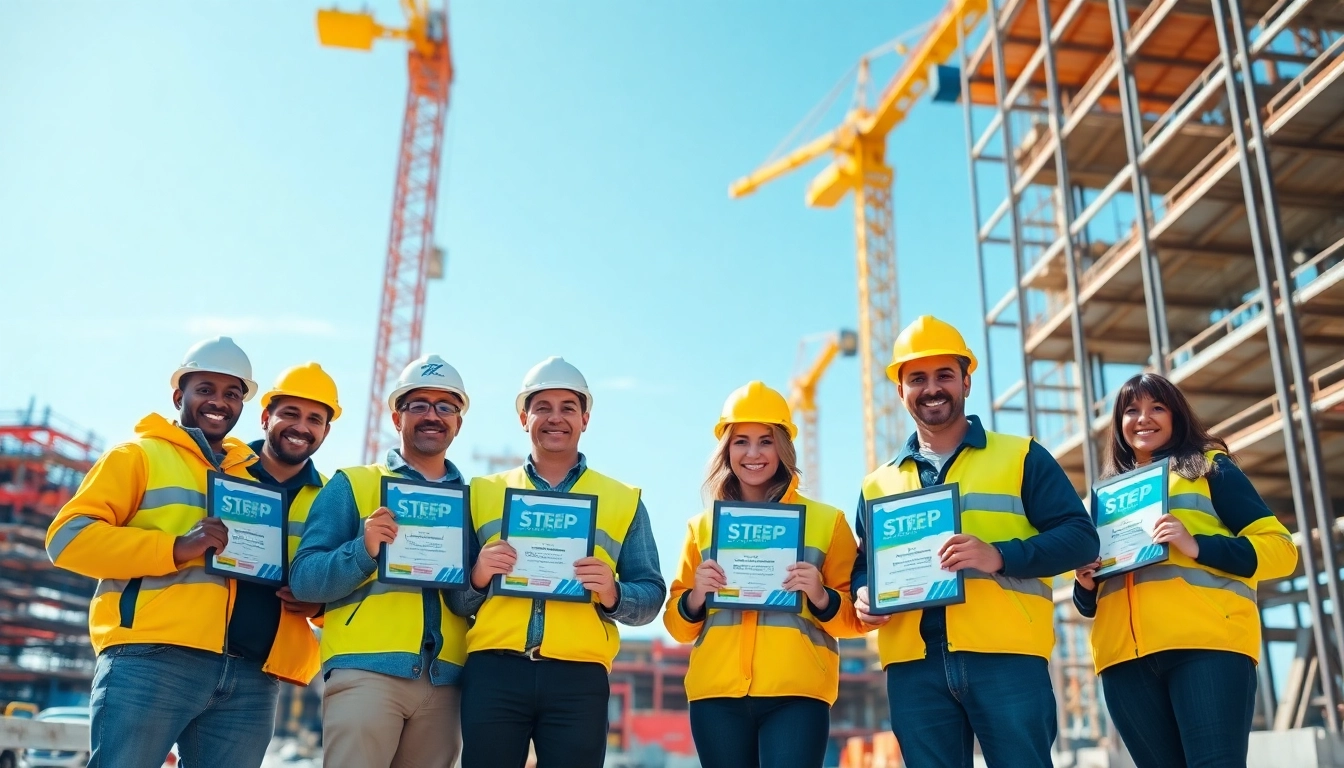

Understanding the Role of a Manhattan Construction Manager
In the bustling landscape of urban development, the role of a Manhattan Construction Manager stands as a pivotal force driving projects from conception to completion. These professionals act as the linchpin in construction endeavors, overseeing a multitude of tasks that ensure each phase of a project adheres to timelines, budgets, and quality standards. To grasp the complexities of their function, it is essential to delve into the core responsibilities, required skills, and the significant impact of their work environment.
Key Responsibilities in Urban Development
A Manhattan Construction Manager is tasked with a wide array of responsibilities that form the backbone of any construction project. Key among these responsibilities are:
- Project Planning and Scheduling: Formulating detailed project plans that outline timelines, milestones, and resource allocation is crucial. A well-structured schedule aids in maintaining project momentum and delivering on time.
- Budget Management: Managing finances through meticulous budgeting ensures that the project adheres to financial constraints, minimizing waste and optimizing resource utilization.
- Coordinating Contractors and Subcontractors: Liaising with various contractors and subcontractors is essential for efficient workflow and collaboration. This coordination prevents delays and fosters a harmonious working environment.
- Quality Control and Safety Oversight: Implementing strict quality control measures and ensuring compliance with safety regulations protects both the workforce and the integrity of the construction.
- Communication: Facilitating seamless communication among stakeholders, from clients to laborers, is vital for fostering transparency and minimizing misunderstandings.
Skills Essential for Success
Success as a Manhattan Construction Manager hinges on a unique blend of skills that encompass both technical knowledge and interpersonal abilities. Key skills include:
- Leadership: The ability to inspire and lead a diverse team is crucial. A successful manager fosters a positive environment where team members feel valued and motivated.
- Problem-Solving: Navigating the myriad challenges that arise during construction requires exceptional problem-solving abilities. An effective manager must quickly devise practical solutions to unforeseen issues.
- Technical Proficiency: A solid understanding of construction practices, building codes, and project management software is necessary to oversee complicated constructions effectively.
- Negotiation Skills: Engaging with vendors, clients, and stakeholders demands strong negotiation skills to secure favorable terms and maintain project viability.
- Organizational Skills: Keeping track of multiple aspects of a project simultaneously necessitates a high level of organization and attention to detail.
Impact of Location on Project Management
Operating in Manhattan presents unique challenges and advantages. The densely populated urban setting affects project planning significantly:
- Space Constraints: Limited space requires innovative strategies for site management, ensuring that the workflow is not hindered by the urban environment.
- Regulatory Compliance: Understanding local building codes and zoning regulations is paramount. Non-compliance can lead to costly delays and fines.
- Cultural Sensitivity: A diverse population necessitates an understanding of various cultural contexts when managing projects that impact community life.
Essential Tools for a Manhattan Construction Manager
Equipped with the right tools, a Manhattan Construction Manager can streamline processes, improve collaboration, and enhance project outcomes. Essential tools include:
Software Solutions for Project Tracking
The implementation of robust project management software is indispensable. These tools help managers track progress, allocate resources efficiently, and maintain budgets. Examples include:
- Project Scheduling Software: Tools such as Microsoft Project or Primavera P6 enable detailed project scheduling and monitoring, ensuring deadlines are met.
- Construction Management Platforms: Platforms like Procore and Buildertrend facilitate collaboration among team members and provide real-time updates on project status.
Communication Tools for Effective Coordination
Effective communication is central to successful project management. Tools that aid in this include:
- Instant Messaging Applications: Tools like Slack or Microsoft Teams foster fast and clear communication among team members, reducing the likelihood of miscommunication.
- Video Conferencing: Meeting platforms such as Zoom or Google Meet are essential for remote coordination, particularly with stakeholders unable to be on-site.
Data Analytics for Performance Measurement
Utilizing data analytics can significantly enhance project outcomes. By analyzing metrics related to costs, timelines, and resource allocation, managers can identify areas for improvement and streamline processes. Tools like Tableau can create detailed reports that provide insights into project performance.
Challenges Faced by Manhattan Construction Managers
Despite the rewards, a Manhattan Construction Manager faces numerous challenges that require adept management strategies to overcome:
Navigating New York City's Regulations
The regulatory environment in New York City can be intricate and ever-changing. Staying abreast of local laws and ensuring compliance is vital for project success. Regular training and consultation with legal experts can aid in navigating this landscape effectively.
Managing Budget Constraints
With fluctuating material costs and labor rates, maintaining a budget can be challenging. Employing strategies such as value engineering and regular budget reviews helps in conserving resources and aligning spending with actual project needs.
Dealing with Supply Chain Issues
Supply chain disruptions can derail timelines and inflate costs. Building strong relationships with multiple suppliers and maintaining an inventory of critical materials can help mitigate these risks and ensure project continuity.
Best Practices for Efficient Project Management
Implementing best practices is essential for a Manhattan Construction Manager to enhance efficiency and project success.
Establishing Clear Communicational Protocols
Defining clear communication protocols ensures that all team members are on the same page. Regular meetings and clear documentation of communications can prevent misunderstandings and foster a collaborative environment.
Implementing Lean Construction Techniques
Adopting lean construction principles can optimize project outcomes by reducing waste and improving efficiency. Techniques such as Just-in-Time delivery and prefabrication can significantly enhance construction processes.
Emphasizing Safety and Compliance
Prioritizing safety not only protects workers but also improves productivity. Regular safety training sessions and audits can ensure a culture of safety and compliance is maintained throughout the project lifecycle.
Emerging Trends Impacting Manhattan Construction Management
The construction industry is continuously evolving, with several emerging trends shaping the role of the Manhattan Construction Manager.
Adopting Sustainable Practices
With increasing environmental concerns, sustainable construction practices are becoming non-negotiable. Adopting green building certifications, using eco-friendly materials, and implementing energy-efficient practices can significantly reduce a project's environmental footprint.
The Rise of Smart Construction Technologies
Utilizing smart technologies, such as Building Information Modeling (BIM) and drone surveys, enhances project management. These technologies improve accuracy in planning and execution, ultimately leading to better project outcomes.
Future-Proofing Projects Against Market Changes
Preparing for market fluctuations is essential for long-term success. A focus on flexibility in project designs and financial plans can assist in adapting to changes in economic conditions or client needs.
FAQs
1. What qualifications are necessary for a Manhattan Construction Manager?
A bachelor's degree in construction management, engineering, or a related field is typically required, along with relevant certifications and substantial experience in the industry.
2. What are the typical challenges faced by construction managers in Manhattan?
Challenges can include navigating strict city regulations, managing tight project timelines, and addressing fluctuating material costs.
3. How do construction managers ensure project safety?
By implementing strict safety protocols, conducting regular training sessions, and promoting a culture of safety awareness among workers.
4. How does technology influence construction management?
Technology enhances efficiency through tools for project tracking, collaboration, and real-time data analysis, enabling better decision-making.
5. What is lean construction, and why is it important?
Lean construction focuses on minimizing waste and maximizing value in construction processes, leading to improved efficiency and cost savings.