
What is an Excavator?
Definition and Key Components
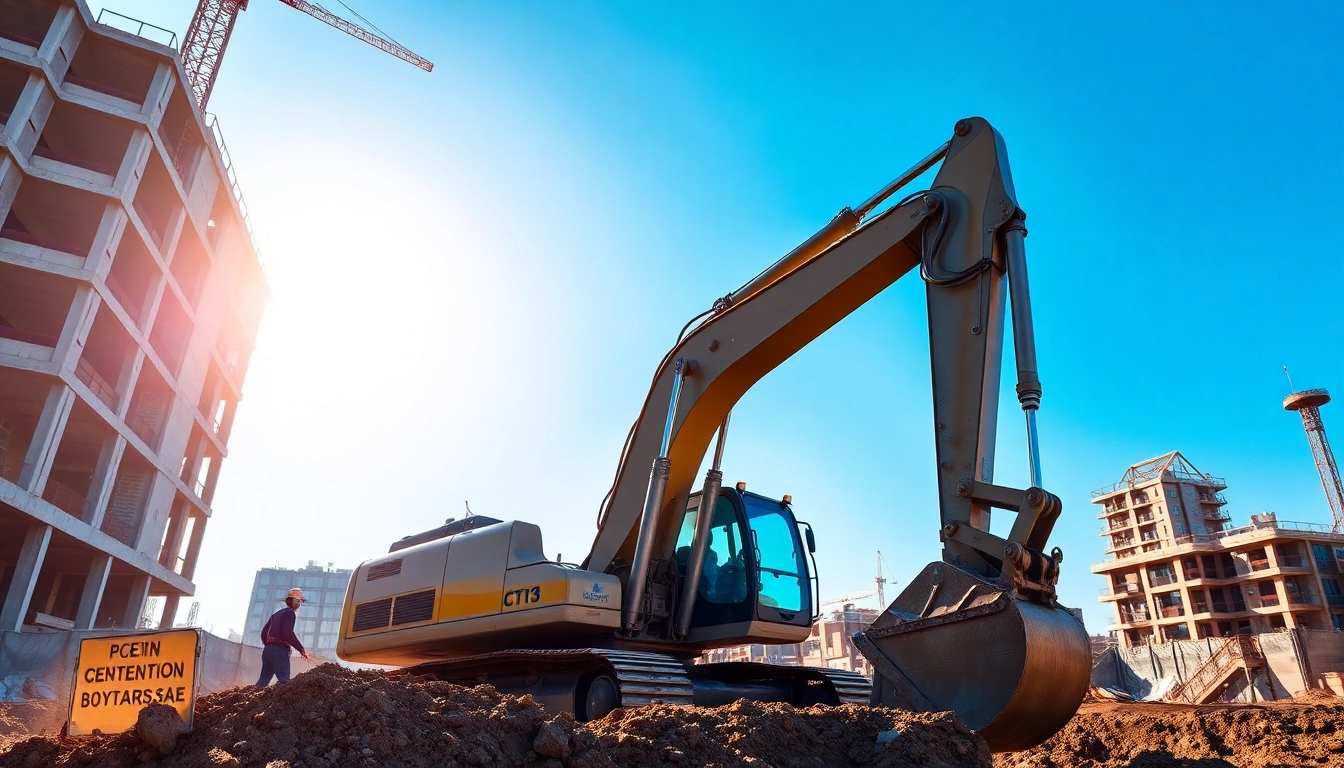
An excavator is a powerful piece of construction equipment that serves various vital functions in construction and other industries. Typically characterized by its unique set of components, an excavator consists of four primary parts: the boom, the dipper (or stick), the bucket, and the cab, all positioned on a rotating platform called the "house." The undercarriage of the excavator can either be equipped with tracks, remarkably improving its ability to navigate rough terrain, or wheels for better speed on solid ground. This design allows the excavator to function in diverse environments efficiently, making it indispensable on construction sites.
Types of Excavators
Excavators come in various types designed to accommodate specific tasks and project requirements. Below are some common types of excavators:
- Standard Excavators: These full-sized machines are intended for heavy-duty tasks such as digging deep foundations and heavy lifting.
- Mini Excavators: Ideal for smaller projects where space is constrained, they are lightweight yet offer significant digging power.
- Compact Excavators: These machines combine the maneuverability of a mini excavator with the power of a standard excavator, making them suitable for a wide range of tasks.
- Long Reach Excavators: Equipped with extended arms, they are designed for digging deeper and reaching further, commonly used in tasks such as dredging.
- Hydraulic Excavators: Utilizing hydraulic power, these excavators offer superior lifting and digging capabilities while maintaining precise control.
Common Uses of Excavators
The versatility of excavators allows them to be employed across numerous applications. Here are some of the common uses:
- Digging and Excavation: Essential for creating trenches, foundations, and holes necessary for construction projects.
- Material Handling: Excavators can lift, carry, and position heavy materials, enhancing workflow efficiency on site.
- Landscaping: Used for grading, site preparation, and installations in landscaping projects.
- Demolition: Equipped with attachments, excavators can break down structures safely and efficiently.
- Mining: Ideal for extracting materials from the ground and transporting them for processing.
Choosing the Right Excavator
Assessing Your Project Needs
Choosing the right excavator starts with a thorough assessment of the project's specific requirements. Understanding the size and scope of your project helps in determining which type and size of excavator you need. For instance, mini excavators are suitable for small residential jobs and confined spaces, while standard excavators are necessary for significant excavation tasks on large construction sites. Additionally, consider the type of material you'll be working with, as tougher materials may require machines with greater power and specialized attachments.
Factors to Consider
Several essential factors influence the selection of an excavator:
- Size and Weight: Ensure that the excavator's size matches your project's scale and the machine's weight conforms to site restrictions.
- Technology: Consider modern features like GPS and automated systems for improved efficiency and precision.
- Attachment Compatibility: Determine whether additional tools like buckets, hammers, or grapples are required for specialized tasks.
- Operating Environment: Assess whether you need tracks for muddy conditions or wheels for paved surfaces.
Cost of Owning an Excavator
Understanding the costs associated with owning an excavator is crucial for effective budgeting. The price of a new excavator can range significantly, typically between $100,000 to $500,000 for full-size models and $80,000 to $150,000 for mini excavators. Other costs include maintenance, fuel, insurance, and storage fees. Assessing used excavators can sometimes provide a more budget-friendly option, but it's important to thoroughly evaluate their condition before purchasing.
Excavator Features and Technology
Modern Hydraulic Systems
Modern excavators are equipped with sophisticated hydraulic systems that enhance their capabilities and efficiency. These systems are designed to provide better lifting power and speed while optimizing fuel consumption. Additionally, hydraulic excavators offer precise control over attachments, allowing operators to perform specific tasks with improved accuracy. Operators should familiarize themselves with these hydraulic systems to leverage their full capabilities effectively.
GPS and Automation in Excavators
The incorporation of GPS and automated control systems has revolutionized the operation of excavators. These technologies enable operators to input design data and receive real-time feedback, enhancing accuracy in excavation tasks. Automated systems can assist in leveling and grading, reducing the potential for human errors. Training on these systems can significantly improve efficiency on site, ensuring that projects remain on schedule and within budget.
Safety Features to Look For
Safety is paramount when operating excavators. It’s vital to look for safety features during the selection process, including:
- Rollover Protection Structures (ROPS): These structures protect operators in the event of a rollover.
- Cameras and Sensors: Built-in cameras and sensors can help operators monitor blind spots, enhancing safety on site.
- Emergency Shutdown Systems: Quick-acting shutdown systems can prevent accidents in critical situations.
- Operator Training Systems: Incorporating training systems can help new operators understand machine functionalities safer.
Maintenance Tips for Excavators
Daily Maintenance Checklist
Maintaining an excavator is essential to ensure longevity and optimal performance. Here’s a daily checklist operators should follow:
- Check fluid levels (engine oil, hydraulic fluid, coolant).
- Inspect tracks for wear and tear or damage.
- Check all safety features, including lighting.
- Clean filters and air intakes.
- Inspect attachments for damage and compatibility.
Common Repairs and Issues
Common repairs include hydraulic leaks, engine issues, and wear on tracks and tires. Promptly addressing these issues can prevent more significant problems and reduce downtime. Regular inspections and an adherence to the maintenance schedule can help identify potential concerns before they escalate.
When to Consult a Professional
While many maintenance tasks can be performed in-house, it's important to recognize when to seek professional help. Complex hydraulic system repairs or engine issues often require specialized experience and tools. Additionally, consulting professionals for routine inspections can help ensure that the excavator is operating safely and efficiently.
Excavator in Different Industry Applications
Excavators in Construction
In the construction industry, excavators are indispensable for foundational work, material handling, site preparation, and demolition. Their versatility allows construction teams to execute large-scale projects effectively and efficiently. With the right attachments, excavators can perform multiple functions, significantly optimizing workflow.
Excavators in Landscaping
Excavators play an essential role in landscaping, aiding in grading, tree removal, and the installation of features such as ponds and waterfalls. Mini excavators, in particular, are popular in residential landscaping for their maneuverability in tight spaces. Landscaping companies often rely on excavators to enhance aesthetic appeal while ensuring structural integrity.
Excavators for Demolition Projects
Demolition work requires heavy machinery that can handle cumbersome structures without compromising safety. Excavators equipped with specialized attachments like wrecking balls or shears are used to dismantle buildings effectively. Their powerful reach and flexibility distinguish them as optimal choices for efficient demolition and debris removal.
FAQs
1. How much does an excavator cost?
A new excavator can range between $100,000 to $500,000 for full-size models. Mini excavators typically cost $80,000 to $150,000.
2. What can an excavator do?
Excavators are versatile machines used for digging trenches, lifting materials, and drilling holes. They can also use various attachments for specialized tasks.
3. How do I operate an excavator?
Operating an excavator requires proper training. Familiarize with controls and practice in a safe environment to gain confidence and skills.
4. What type of excavator is best for small projects?
Mini or compact excavators are ideal for small projects, especially in confined spaces due to their maneuverability.
5. What maintenance does an excavator require?
Regular maintenance includes checking fluid levels, inspecting tracks, cleaning filters, and checking the hydraulic system for leaks.
Contact Information
Call Us: 4062607988Address: 3906 MT-40, Columbia Falls, MT 59912