The Evolution of Event Rentals in Saudi Arabia
The event rental industry in Saudi Arabia has undergone a remarkable transformation over the past decade. Once limited to a few basic offerings, the sector has expanded tremendously to meet the growing demand for diverse event solutions. This evolution is primarily driven by the cultural shifts towards hosting larger and more sophisticated events, such as corporate gatherings, weddings, and public festivals.
When exploring options, Event rentals now encompass a wide array of services, including audiovisual equipment, furniture, and specialized décor, tailored to the unique requirements of the Saudi market.
Historical Context and Growth Trends
Historically, event rentals in Saudi Arabia were primarily associated with traditional gatherings and limited to basic necessities such as tents and seating. However, with the rapid modernization of the country and a keen interest in international standards, the landscape of event rentals has evolved significantly. The last decade has seen an influx of specialized companies entering the market, providing high-quality services that adhere to global trends. The shift towards a more dynamic event culture has also been supported by the government's initiatives to boost tourism and entertainment, further fueling the demand for diverse rental options.
Key Factors Driving Demand in 2026
As we look towards 2026, several factors are poised to drive demand in the event rental industry:
- Economic Growth: With ongoing investments in infrastructure and entertainment, the influx of both domestic and international events will increase rental needs.
- Technological Advancements: The integration of cutting-edge technology into events, like virtual reality experiences and high-tech audio-visual setups, will necessitate more sophisticated rental solutions.
- Changing Consumer Expectations: Modern clients are expecting customized experiences that reflect higher standards in quality and creativity.
- Cultural Events and Festivals: The surge in cultural events, particularly those celebrating Saudi heritage, will further enhance the need for specialized event rentals.
The Role of Technology in Modern Event Rentals
Technology plays a crucial role in the evolution of event rentals. From advanced booking systems that allow for real-time inventory checks to augmented reality applications that help clients visualize their event setups, technology has streamlined operations. Additionally, technological advancements in audio-visual equipment and event management software have elevated the overall quality of events. This shift not only enhances the client experience but also increases operational efficiency for rental providers.
Essential Services in Event Rentals
Types of Event Rentals Available
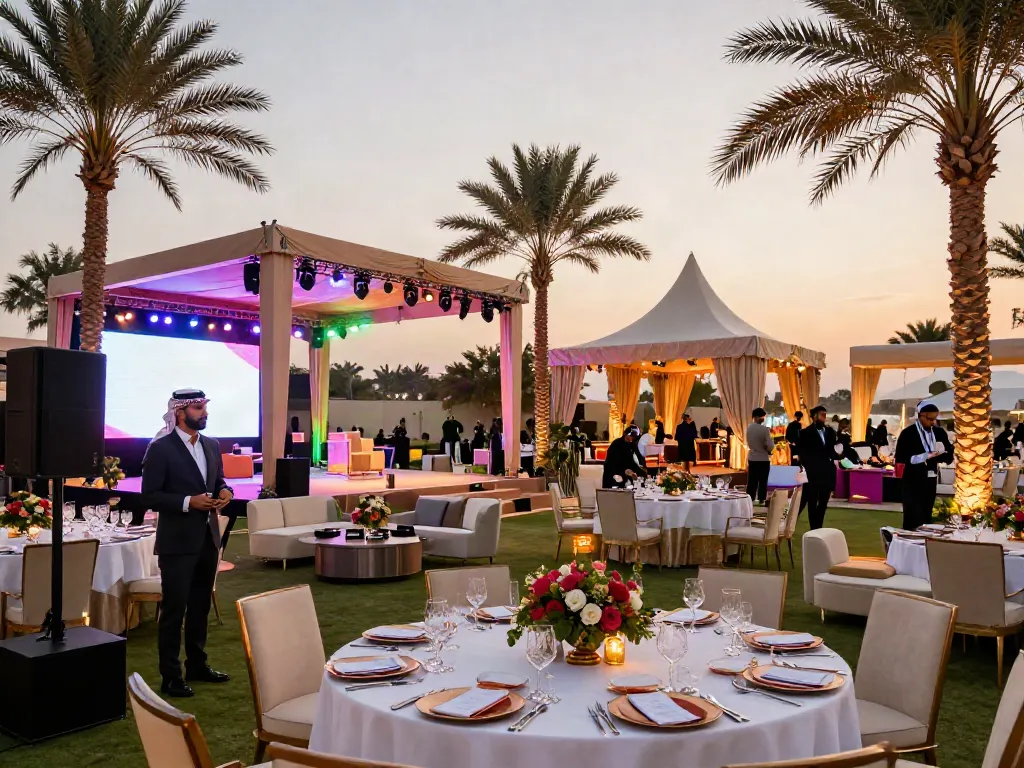
The breadth of event rental services available in Saudi Arabia is vast and varied, catering to numerous types of gatherings. Key offerings typically include:
- Tents and Canopies: Essential for outdoor events, providing shelter and aesthetic appeal.
- Furniture Rentals: Including tables, chairs, and lounges that match the theme and style of the event.
- AV Equipment: State-of-the-art sound systems, lighting, and projectors to enhance the attendee experience.
- Drapery and Décor: Thematic elements that contribute to the event ambiance.
- Game Rentals: Aiming to engage guests, especially in corporate and family-friendly events.
Importance of Venue Selection for Rental Success
Choosing the right venue is fundamental to the success of any event and directly impacts the effectiveness of the rental services employed. Key considerations include location, capacity, and facilities available at the venue. A well-chosen venue not only enhances the aesthetic appeal of the event but also ensures that the logistics of moving and setting up rental equipment are manageable. Additionally, venues that are equipped with in-house services can also simplify the coordination processes.
Customized Event Solutions to Meet Diverse Needs
One of the most significant advantages of utilizing event rentals is the ability to customize solutions to meet distinct client needs. Different events require different setups, and the flexibility of rental solutions can make or break an event's success. Providers in the industry should prioritize understanding their clients' visions and translate those into actionable plans that ensure a seamless event experience.
Best Practices for Planning Successful Events
Collaboration with Event Rental Providers
Effective collaboration with event rental providers is critical for a successful event. Establishing a clear line of communication right from the planning stages allows for better understanding of the vision and expectations. Engaging with experts who can offer insights into current trends and what works best within the local context can significantly enhance the quality of the event.
Budgeting for Event Rentals: What to Consider
Budgeting is a crucial phase in any event planning process. It is essential to understand the various elements that contribute to the total rental cost. Clients should account for different rental categories—such as furniture, equipment, and décor—while also considering additional costs such as transportation, setup, and breakdown. A well-defined budget that allows room for contingencies can ensure that the event remains within financial parameters while still meeting quality standards.
Logistics Management for Seamless Execution
Effective logistics management is the backbone of successful event execution. This includes planning for the transportation of rental items, setup schedules, and breakdown processes. Collaborating closely with rental service providers on logistics ensures that the right equipment arrives at the venue on time, is set up correctly, and is dismantled within the timeframe required. A detailed logistical plan not only facilitates a smooth event but also minimizes potential hiccups that could affect the overall experience.
Common Challenges and Misconceptions in Event Rentals
Addressing Client Expectations and Realities
One of the primary challenges in the event rental industry is managing client expectations. There are often gaps between what clients envision and the realities of rental logistics, costs, and availability. Open communication and transparent discussions about possibilities and limitations are essential in addressing these challenges. Setting clear expectations from the outset can help mitigate misunderstandings and dissatisfaction later on.
Overcoming Seasonal Demand Fluctuations
Event rentals often experience seasonal fluctuations in demand, particularly around holidays and peak wedding seasons. This variability can create challenges for rental providers in managing inventory and availability. Proactive planning that anticipates high-demand periods, coupled with robust marketing strategies during off-peak times, can help maintain a steady stream of business throughout the year.
Understanding Rental Contracts: What to Know
Understanding the terms of rental contracts is crucial for clients and providers alike. Contracts should clearly outline the scope of services, costs, and obligations of both parties. Misunderstandings regarding rental durations, delivery, setup, and liability can lead to disputes. Therefore, both parties should invest time in thoroughly reviewing and discussing contracts before finalizing arrangements.
Looking Ahead: Future Trends in Event Rentals
Emerging Innovations in the Industry
The event rental industry is continuously evolving, with new innovations emerging regularly. One significant trend is the integration of virtual and hybrid events, which have gained traction post-pandemic. Companies are now focusing on creating immersive experiences that blend in-person and digital attendance, warranting an expansion in the types of rental equipment available. This includes enhanced AV setups to facilitate remote participation and engagement.
Sustainability Practices for Event Rentals
As environmental concerns grow, sustainability is becoming an essential aspect of event planning. The event rental industry is embracing sustainable practices by offering eco-friendly options, such as reusable décor and materials, energy-efficient lighting, and waste management solutions. Adopting a sustainable approach not only aligns with global trends but also appeals to a socially responsible clientele.
Predictions for Event Rentals in 2026 and Beyond
Looking beyond 2026, the event rental industry in Saudi Arabia is anticipated to expand significantly. We can expect an increased focus on personalization, with rental companies offering tailored packages that cater specifically to clients' unique requirements. Additionally, the continued incorporation of technology and sustainability will likely define the future landscape of the industry, shaping how events are planned and executed.
What are the benefits of using event rentals?
Utilizing event rentals provides several advantages, including cost-effectiveness, access to a wide variety of equipment, and the convenience of professional setup and breakdown. Clients can save on storage and maintenance costs while ensuring they have high-quality items for their events.
How to choose the right event rental company?
Choosing the right event rental company involves thorough research into their offerings, experience, and customer reviews. It's crucial to assess their portfolio and discuss specific needs to ensure they can deliver on your vision.
What types of events require rentals?
Event rentals are essential for various occasions, including corporate events, weddings, festivals, trade shows, and private parties. Each event type has unique requirements, making rental solutions vital for success.
How do event rentals affect overall event success?
Event rentals significantly impact the success of an event by providing the necessary infrastructure and ambiance. High-quality rentals can enhance guest experiences, ensuring that events are memorable and professional.
What are the current trends in event rentals?
Current trends in event rentals include the rise of eco-friendly materials, the integration of technology, and an increased focus on customization and personalization to meet the unique needs of clients and modern audiences.