
Understanding the Allure of Treehouses
Treehouses have captivated the imaginations of both children and adults alike for generations. They evoke a sense of adventure, freedom, and connection to nature that is hard to replicate in modern dwellings. Whether it's the nostalgia of childhood dreams or the desire for a unique retreat, treehouses serve as an enchanting escape that complements our increasingly hectic lives. When exploring options, treehouses provide comprehensive insights into what makes them desirable sanctuaries.
What are Treehouses and Their Significance?
A treehouse is traditionally defined as a structure built in trees, typically elevated above the ground. These houses can range from simple platforms to luxurious retreats, featuring amenities that provide comfort and style. The significance of treehouses extends beyond their rustic charm; they represent a harmonious blend of creativity and design, bridging the gap between human habitation and the natural world. Treehouses are also a conduit for outdoor education, encouraging children to explore, learn, and cultivate an appreciation for nature.
The Evolution of Treehouses Over Time
Historically, treehouses were simple constructs designed primarily for play or observation. However, as architectural styles have evolved, so too have treehouses. Today, they are often equipped with modern comforts such as electricity, plumbing, and even Wi-Fi, catering to those seeking a temporary sanctuary without disconnecting from the conveniences of modern life. The design trends have shifted towards eco-friendly materials, making treehouses sustainable alternatives to conventional residences.
Why Families Love Treehouses for Recreation
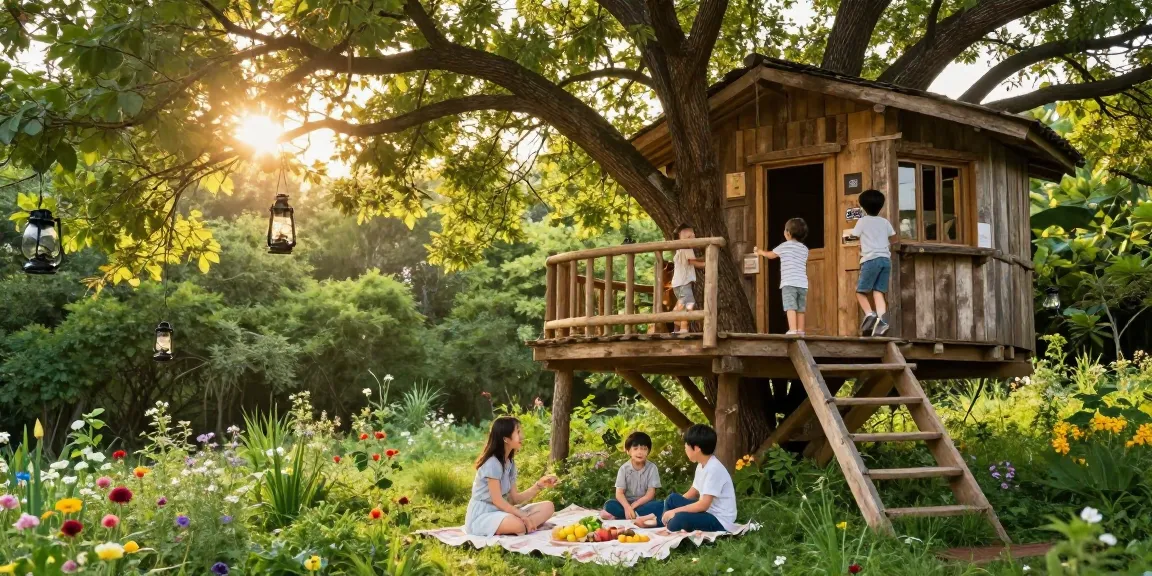
Families are continually drawn to the charm of treehouses, which offer a unique setting for bonding and adventure. They provide a safe environment for children to engage in imaginative play while fostering family connections. Treehouses often serve as the backdrop for family gatherings, storytelling sessions, and even sleepovers, instilling a sense of adventure and wonder in children. Moreover, they encourage outdoor activities that promote physical well-being, making them an ideal recreational choice.
Choosing the Right Treehouse Location
Choosing the right location for a treehouse is crucial to maximising enjoyment and safety. Various factors influence the placement of a treehouse, including the local environment, the type of trees available, and accessibility for the intended users. When considering treehouses, it is essential to think about how the location can enhance the experience.
Factors Influencing Treehouse Placement
- Tree Health: Ensure that trees are healthy and sturdy enough to support the structure.
- Terrain: The surrounding land should be level and free from hazards like rocks and stumps.
- Access: The treehouse should be easily accessible for both adults and children.
- Scenery: Choose a location that offers beautiful views while being mindful of privacy.
Top Destinations for Treehouse Experiences in 2026
The allure of treehouses has led to the establishment of various destinations offering unique treehouse experiences. Some of the most popular locations in 2026 include:
- TreeHouse Point, Washington: Known for its enchanting forest setting and stunning design, this venue offers treehouse rentals for unique getaways.
- Out N About Treesort, Oregon: A renowned treehouse bed and breakfast with multiple treehouse accommodations, coupled with countless outdoor activities.
- Cypress Valley, Texas: Offers luxury treehouses that provide an immersive experience in the Texas Hill Country.
- Sonoma Canopy Tours: Nestled in majestic redwoods, this spot combines treehouse lodging with zipline adventures.
Safety Considerations When Selecting a Site
When selecting a site for a treehouse, safety should be a paramount concern. Evaluate the stability of the trees and ensure that the structure complies with local building regulations. Adequate measures should be taken to secure ladders and access points, making them safe for children. Installing safety features such as railings and non-slip surfaces can further enhance safety.
Designing the Perfect Treehouse
Designing a treehouse requires a careful balance of aesthetics, functionality, and safety. The process should incorporate essential features that cater to the needs of families while also embracing innovative design principles.
Essential Features for Family-Friendly Treehouses
- Spacious Layout: A treehouse should provide enough space for families to gather comfortably, encouraging social interaction.
- Safe Climbing Solutions: Incorporate sturdy ladders or rope climbs that are age-appropriate, ensuring safe access.
- Weather-Resistant Materials: Use durable materials that can withstand weather elements while maintaining aesthetic appeal.
Innovative Designs and Sustainable Materials
Today’s treehouses can be marvels of modern design, incorporating sustainable materials like reclaimed wood, bamboo, and eco-friendly finishes. Innovative features such as large windows for natural light, solar panels for energy efficiency, and rainwater harvesting systems showcase how treehouses can be both functional and environmentally considerate.
Enhancing Comfort and Accessibility in Treehouses
Comfort is key in making a treehouse a true retreat. Consider features like built-in seating, soft furnishings, and insulated walls for climate control. Additionally, accessibility should be considered by including ramps and wider entrances, making the treehouse enjoyable for visitors of all abilities.
Treehouse Activities for All Ages
The versatility of treehouses allows for a myriad of activities suitable for all ages, from children to adults. These structures can facilitate a variety of experiences, enhancing their appeal as recreational spaces.
Outdoor Adventures and Nature Exploration
Treehouses can act as base camps for outdoor adventures such as hiking, birdwatching, and stargazing. Families can use treehouses as vantage points for observing wildlife, engaging children in educational experiences that foster respect for the environment.
Creative Play Ideas for Children
Treehouses ignite the imagination in children. They can become pirate ships, castles, or secret hideouts, offering endless opportunities for role-playing. Incorporating elements like chalkboards, art supplies, or climbing walls can encourage creativity and physical activity.
Social Gatherings and Events in Treehouse Settings
Treehouses provide a unique venue for socialising. Whether it's birthday parties, family reunions, or casual get-togethers, the charm of a treehouse creates memorable experiences. Consider adding features like outdoor dining areas or fire pits to enhance the atmosphere.
Future Trends in Treehouse Living
As we move towards 2026, treehouse living is expected to evolve with growing interest in eco-friendly practices and innovative construction methods. Understanding these trends can help aspiring treehouse creators stay ahead of the curve.
Predicted Innovations in Treehouse Construction
The future of treehouse design may see the integration of smart technology, such as automated lighting, climate control systems, and advanced security features. Prefabricated components could also simplify construction while maintaining high design standards.
The Rise of Eco-Friendly Treehouses
With increasing awareness of climate change and environmental degradation, eco-friendly treehouses are becoming highly sought after. Builders are expected to adopt zero-waste construction methods, utilise renewable energy sources, and focus on biodiversity when selecting locations.
Community Initiatives and Treehouse Networks in 2026
As interest in treehouse living grows, so does the establishment of networks and communities centred around these unique structures. Initiatives may include treehouse festivals, workshops on sustainable building, and community projects that promote environmental stewardship.
How much does it cost to build a treehouse?
The cost of building a treehouse can vary greatly depending on size, materials, and location but can range from a few hundred to several thousand pounds. DIY enthusiasts might save money through personal contributions, while those seeking professional designs should budget accordingly.
What are the best materials for treehouse construction?
Choosing high-quality, durable materials is essential for a treehouse’s longevity. Pressure-treated wood, cedar, and composite materials are popular choices due to their resistance to weather and pests.
Can treehouses be rented for vacations?
Yes, many treehouses are available for vacation rentals, providing unique accommodations that cater to adventurous travellers. Platforms like Airbnb frequently list treehouses in picturesque locations, offering guests a chance to experience nature without sacrificing comfort.
Are treehouses safe for children?
When designed and built correctly, treehouses can be very safe environments for children. Implementing safety features such as sturdy railings, safe access methods, and regular maintenance checks can help mitigate potential risks.
How do treehouses benefit the environment?
Treehouses promote a connection to nature and can encourage responsible environmental practices. By utilising sustainable materials and incorporating eco-friendly designs, treehouses have the potential to serve as exemplars for low-impact living.