
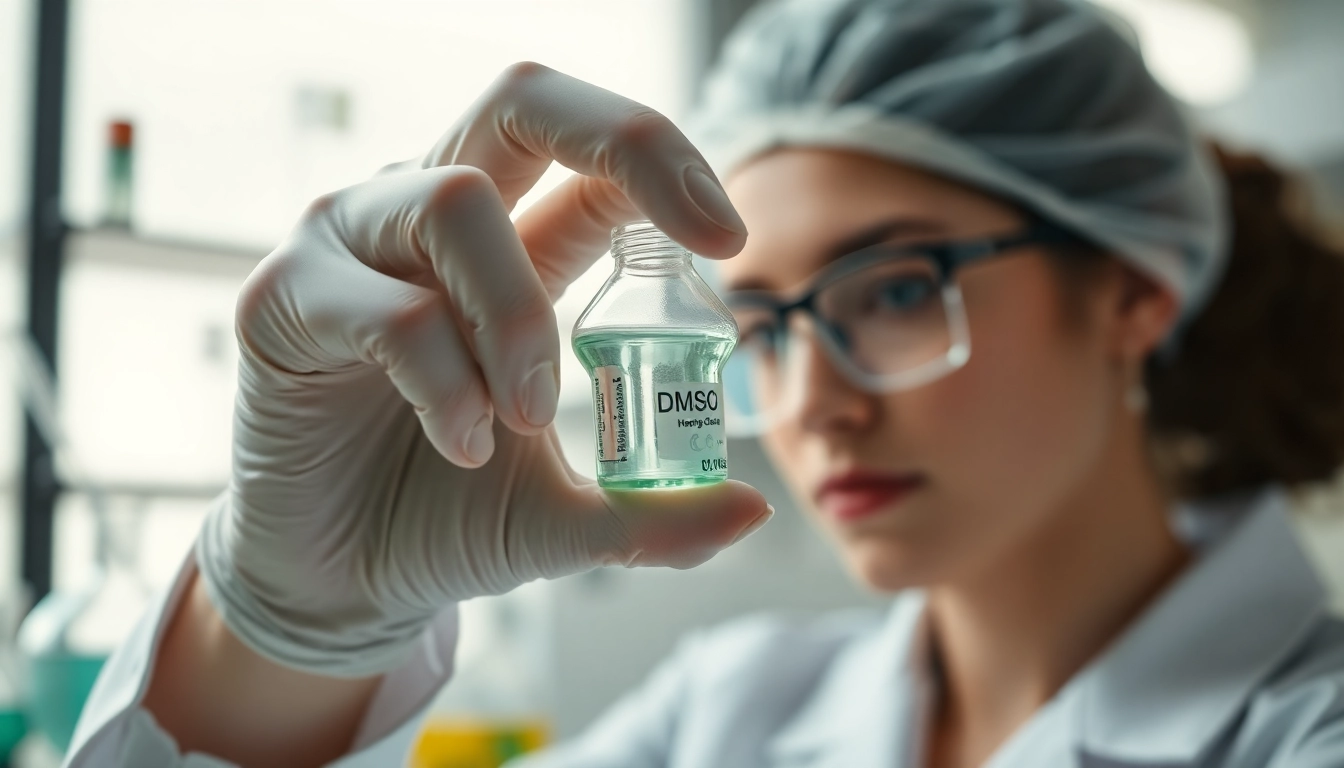
Introduction to dmso organic
DMSO, or Dimethyl Sulfoxide, is a powerful solvent that has garnered attention in various fields, from pharmaceuticals to alternative medicine. This unique compound has been utilized in diverse applications due to its remarkable ability to penetrate biological membranes and dissolve numerous substances. One of the most significant trends is the rising interest in dmso organic, which is valued for its therapeutic uses and potential health benefits. In this article, we will explore what DMSO is, its properties, its benefits, safe usage guidelines, and how it compares to other solvent options.
What is DMSO?
DMSO (Dimethyl Sulfoxide) is an organosulfur compound produced from the oxidation of dimethyl sulfide, primarily derived from lignin, a complex organic polymer found in wood. Its chemical structure (C2H6OS) gives it unique properties, allowing it to dissolve both polar and non-polar compounds. It exists as a colorless liquid at room temperature and has a slightly bitter taste, characterized by its mild odor. Because of its ability to penetrate biological membranes, DMSO has drawn interest in medicine, often used for its anti-inflammatory properties.
Origin and Extraction Process
The extraction process of DMSO from lignin is central to its labeling as dmso organic. Specifically, lignin is a byproduct of the pulp and paper industry, and through a series of chemical reactions, DMSO is obtained. This environmentally-friendly method contributes to the organic status of DMSO, setting it apart from synthetic alternatives. The purity of DMSO is largely dependent on the extraction techniques used, with pharmaceutical-grade DMSO achieving purities above 99%, making it suitable for medicinal applications.
Properties of dmso organic
DMSO has distinctive physical and chemical properties that enhance its utility:
- Solubility: DMSO can dissolve a wide range of organic and inorganic substances.
- Polarity: It is a highly polar aprotic solvent, meaning it can stabilize charged species which enhances its solvent properties.
- Biocompatibility: As a naturally occurring compound, DMSO is generally well-tolerated in biological systems, making it an attractive option for various applications.
- Low toxicity: While precautions are necessary due to its skin-penetrating abilities, DMSO has a relatively low toxicity profile when used correctly.
Benefits of Using dmso organic
Therapeutic Uses
The therapeutic applications of DMSO are broad and varied. It is often used in the treatment of:
- Inflammatory Conditions: Its anti-inflammatory properties make it effective for conditions such as arthritis and tendonitis.
- Topical Analgesic: When diluted, DMSO can alleviate pain through topical application, providing relief for various musculoskeletal conditions.
- Enhanced Drug Delivery: Due to its skin penetration ability, DMSO is often used to enhance the transdermal delivery of medications.
Industrial Applications
Beyond the therapeutic realm, DMSO finds extensive use in various industrial processes:
- Solvent: Its ability to dissolve numerous compounds makes it a favored solvent in laboratories and manufacturing.
- Manufacturing Reagent: DMSO is used in synthesizing chemicals, aiding in the production of plastics, textiles, and even pharmaceuticals.
- Cleaning Agent: Thanks to its solvency power, DMSO is used in cleaning electronic parts and equipment, as it can remove a wide range of contaminants.
Advantages Over Other Solvents
Compared to traditional solvents, DMSO offers distinctive advantages:
- Non-toxic Compatibility: Unlike many organic solvents that can be hazardous, DMSO is less toxic and does not pose severe environmental risks.
- Versatile Solvency: It can dissolve both polar and non-polar substances, making it exceptionally versatile for different chemical processes.
- Low Freezing Point: DMSO has a low freezing point, making it stable across wide temperature ranges.
How to Use dmso organic Safely
Recommended Dosage
When using DMSO, dosage varies depending on its application. Typically, for therapeutic use, DMSO is diluted with water or another carrier oil. For skin applications, concentrations between 50% and 70% are common. However, it’s paramount to consult a healthcare professional for personalized dosage recommendations based on individual needs.
Application Methods
There are several effective methods for applying DMSO:
- Topical Application: This is the most common method, where DMSO is applied directly to the skin on the affected area.
- Transdermal Patches: DMSO is sometimes incorporated into patches for prolonged application.
- Oral Consumption: While less common, some use DMSO internally under professional guidance.
Potential Risks and Side Effects
Even though DMSO has a low toxicity profile, potential side effects must be considered:
- Skin Irritation: Direct contact may lead to skin irritation; always perform a patch test.
- Allergic Reactions: Some individuals may experience allergic reactions including hives or rashes.
- Drug Interactions: DMSO enhances the absorption of other drugs; consult a healthcare provider before use.
Comparing dmso organic with Other Products
DMSO vs. Traditional Solvents
When comparing DMSO to traditional solvents such as acetone or ethanol, DMSO stands out due to its safety and ability to dissolve a wider variety of compounds, which enhances its usability in different applications.
Choosing the Right Grade of DMSO
DMSO is available in pharmaceutical grades and industrial grades. Pharmaceutical-grade DMSO has higher purity levels suitable for therapeutic uses, while industrial-grade is appropriate for manufacturing applications. It's essential to choose the appropriate grade to ensure safety and effectiveness.
Understanding Purity Levels
The purity of DMSO can influence its efficacy and safety. Generally, pharmaceutical-grade DMSO is over 99.9% pure, while lower grades may contain impurities that can lead to irritation or other adverse reactions. Always opt for higher purity for medical applications.
FAQs about dmso organic
Can DMSO be organic?
Yes, DMSO is organic, derived from lignin, a natural substance, commonly used as a solvent.
What happens if a human uses DMSO?
Using DMSO may induce histamine release, leading to potential adverse effects such as flushing or cramps.
Can you apply DMSO directly to skin?
While controversial, diluted DMSO might alleviate pain when applied directly to the skin. Always consult a healthcare provider first.
Is DMSO safe for therapeutic use?
DMSO can be beneficial, but it is essential to consult a healthcare professional before use to assess safety.
Where can I purchase high-quality dmso organic?
Quality dmso organic is often available at health stores or reputable online retailers focused on health supplements.