
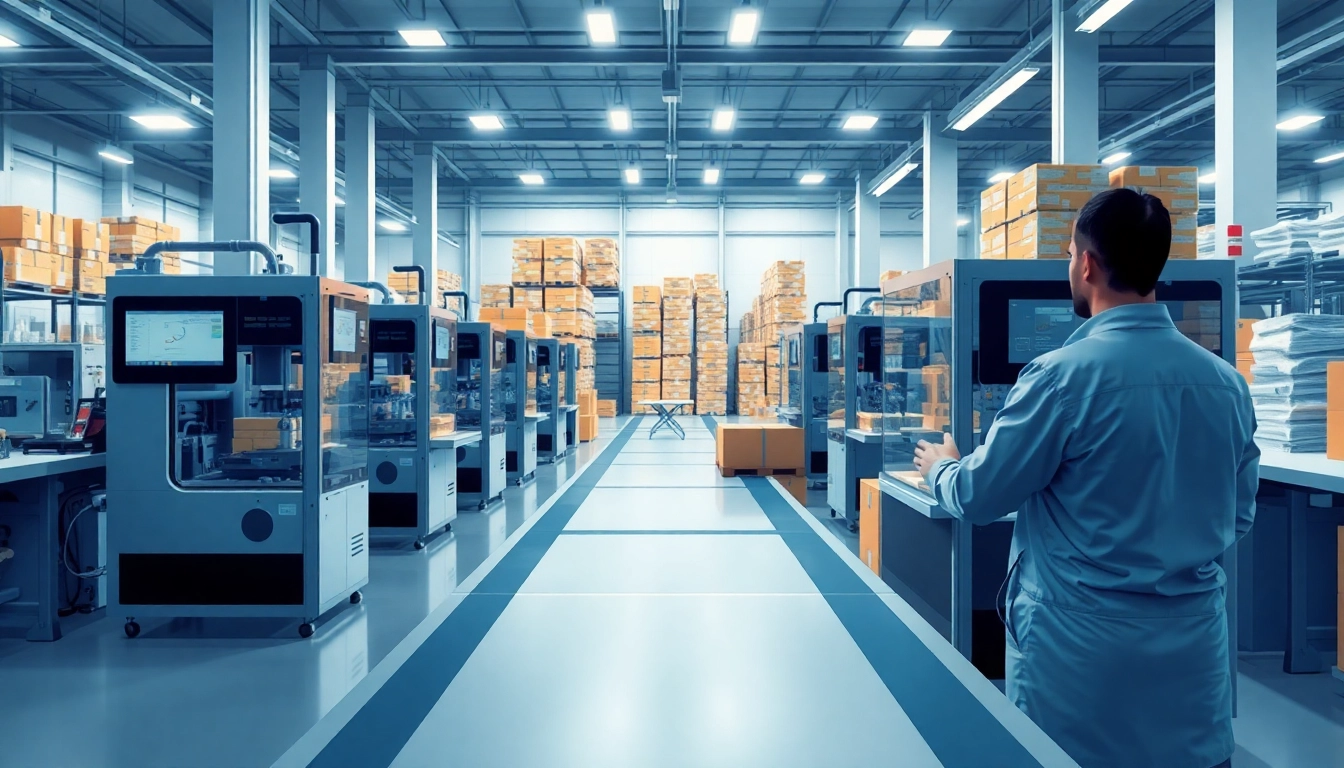
Understanding Turnkey Packaging Solutions
Definition and Overview of Turnkey Packaging Solutions
Turnkey Packaging Solutions are comprehensive, pre-integrated systems that allow businesses to streamline their packaging processes. This all-in-one approach encompasses everything from initial design and system engineering to implementation and ongoing support. Using Turnkey Packaging Solutions, companies can focus more on their core activities and less on packaging logistics.
The concept of turnkey solutions implies that the service provider takes full responsibility for the project. This means delivering a completely operational system that requires minimal intervention from the client. The integration of various technologies, machinery, and software into one cohesive package reduces complexity and enhances efficiency.
Key Components of Turnkey Packaging Solutions
There are several essential components that constitute effective turnkey packaging solutions, including:
- Design and Engineering: Tailored design solutions that meet specific packaging needs.
- Equipment Selection: Optimal machinery and technology choices for efficient operations.
- System Integration: Ensuring all parts of the packaging line work together harmoniously.
- Process Automation: Using technologies that reduce manual labor and increase speed.
- Support and Maintenance: Ongoing assistance for troubleshooting and upgrades.
The Evolution of Packaging Services and Solutions
Packaging solutions have evolved significantly over the years. Initially focused on simple materials and primitive methods, the industry has seen a shift towards high-tech, automated solutions. As consumer demands increase for faster delivery, more innovative packaging solutions have emerged, enabling businesses to maintain competitiveness through efficiency and reliability. Today, manufacturers of all sizes are increasingly adopting turnkey solutions, recognizing their potential to transform packaging operations fundamentally.
Benefits of Turnkey Packaging Solutions
Improved Efficiency and Reduced Downtime
One of the primary advantages of implementing turnkey packaging solutions is the substantial improvement in operational efficiency. By integrating various packaging processes into one seamless system, companies can minimize downtime caused by equipment failure or miscommunication among multiple vendors. This holistic approach ensures that everything is working at optimal capacity, allowing for greater throughput and timely product delivery.
Cost-Effectiveness of a Comprehensive Approach
Cost-saving is another crucial benefit of turnkey solutions. By consolidating responsibilities under a single provider, businesses can often negotiate better pricing for equipment and services, ultimately leading to lower overall operational costs. Furthermore, reducing downtime and improving efficiency can translate into significant savings over time, making the upfront investment in turnkey solutions worthwhile.
Streamlined Operations and Increased Productivity
Turnkey packaging solutions streamline operations by eliminating the need to juggle multiple suppliers and components. Single-vendor accountability allows businesses to simplify project management and focus on their essential business functions. Enhanced productivity follows naturally as teams can concentrate on improving other areas, like marketing and customer engagement, rather than dealing with the complexities of packaging logistics.
Challenges in Implementing Turnkey Packaging Solutions
Common Obstacles During Setup
While turnkey solutions offer many benefits, implementation can present challenges. Common obstacles include misalignment between client expectations and solution capabilities. Thorough vetting and communication with the provider are essential to tackle this issue. Additionally, businesses might face difficulties during the transition phase, such as integrating new technology into existing workflows.
Addressing Customization Needs
Customization is often a necessary component of packaging processes, as no two businesses are identical. Turnkey solutions should be flexible enough to allow modifications tailored to the unique requirements of the client. Therefore, it's crucial to engage in comprehensive consultation with the packaging provider to ensure the chosen solution can adapt to future needs.
Training and Transition for Staff
Transitioning to a new packaging solution may require staff retraining, which can be a substantial hurdle. Employees must understand how to operate new machinery and handle new materials safely. To facilitate a smooth transition, companies should implement training programs that cover all aspects of the new system and offer ongoing support to address issues as they arise during the adaptation period.
Case Studies of Successful Turnkey Packaging Solutions
Real-World Examples of Implementation
Numerous businesses have reported success after implementing turnkey packaging solutions. For instance, a prominent food manufacturer streamlined its operations by consolidating its packaging line, decreasing operational costs by 20% over a year. By adopting systems that integrated automation, they minimized labor costs and reduced packaging errors significantly.
Key Metrics Achieved Through Turnkey Solutions
Metrics often evaluated post-implementation include throughput, error rates, and labor costs. Businesses leveraging turnkey solutions tend to notice improved throughput levels, significantly reduced error rates due to mechanization, and lower direct labor costs as a result of streamlined operations. These metrics can provide insightful data for decision-making in future projects.
Lessons Learned from Successful Projects
Successful implementation requires collaboration between the provider and the client. Establishing clear goals and maintaining open lines of communication throughout the design and implementation phases is critical. One key takeaway is the importance of flexibility and readiness for adaptive change; businesses must be prepared to pivot elements of their strategy if initial outcomes do not meet expectations.
Future Trends in Turnkey Packaging Solutions
Technological Advancements in Packaging
The packaging industry is on the cusp of significant technological innovation. Advancements in robotics, artificial intelligence, and IoT (Internet of Things) are shaping the future of turnkey packaging solutions. Future systems are expected to be more automated, allowing for real-time data tracking and analytics, which can lead to even greater efficiencies.
Eco-friendly Innovations and Practices
As sustainability becomes increasingly important to consumers, turnkey packaging solutions will adapt by incorporating eco-friendly materials and processes. There is a growing trend toward using biodegradable and recyclable packaging options, which can help companies meet both regulatory requirements and consumer preferences while maintaining effectiveness and cost-efficiency.
The Role of AI in Packaging Solutions
Artificial intelligence is set to play a substantial role in the transformation of packaging operations. AI can optimize various processes, from inventory management to supply chain logistics. By using predictive analytics, businesses can foresee demand trends and act proactively, which minimizes waste and ensures efficiency in resource allocation.
Frequently Asked Questions
What are turnkey packaging solutions?
Turnkey packaging solutions provide comprehensive, pre-integrated systems that encompass design, engineering, equipment selection, and ongoing support, allowing businesses to streamline their packaging processes.
What are the main benefits of turnkey solutions?
The main benefits include improved efficiency, reduced downtime, cost-effectiveness, streamlined operations, and increased productivity, which all contribute to enhanced competitive advantage.
Are turnkey solutions customizable?
Yes, many turnkey solutions are designed to be customizable to fit the unique needs of individual businesses, allowing for tailored implementations that align with specific operational goals.
What challenges are associated with turnkey implementation?
Common challenges include setup obstacles, addressing customization requirements, and providing adequate training and transition support for staff, all of which require careful planning and execution.
What is the future of turnkey packaging solutions?
The future will likely see advancements in technology, increased focus on eco-friendly practices, and the integration of artificial intelligence to optimize operations and enhance efficiency.