
Understanding the Basics of Peptides
What Are Research Peptides?
Research peptides are short chains of amino acids, the building blocks of proteins, designed as tools for scientific study in various fields, such as biology, nutrition, and medicine. These peptides are similar to the natural peptides produced by the body and play critical roles in numerous biological processes. Researchers explore these peptides for potential therapeutic benefits, leading to important advancements in medical science.
Key Functions of Peptides in the Body
Peptides serve various functions in the body, including acting as hormones, neurotransmitters, and signaling molecules. They can modulate immune responses, stimulate muscle growth, reduce inflammation, and enhance healing processes. Their ability to communicate between cells supports homeostasis and impacts metabolism, appetite regulation, and many other physiological functions.
Overview of Popular Research Peptides
Several research peptides have gained popularity due to their potential benefits. Some of the most studied include:
- GHK-Cu: Known for its wound healing and anti-aging properties.
- Melanotan II: Aids in tanning and has potential effects on libido.
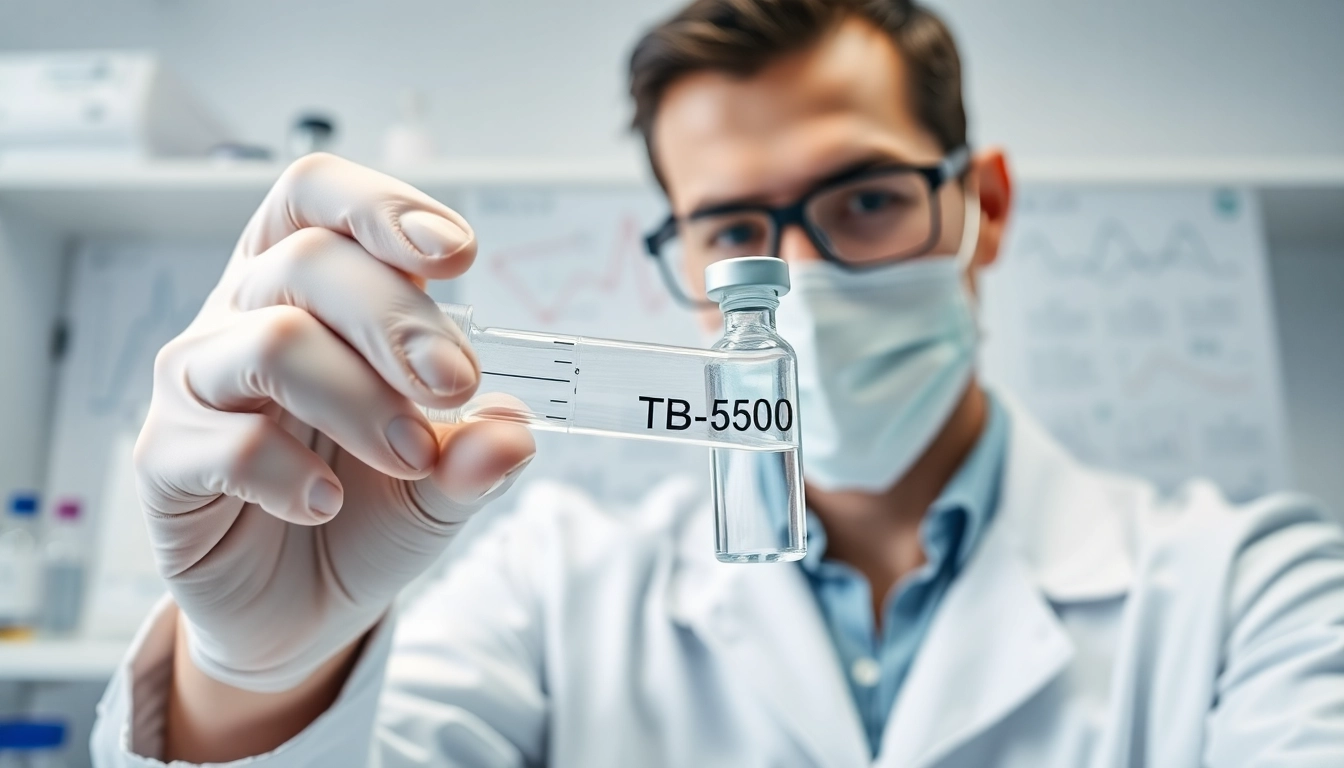
- TB-500: Investigated for its regenerative capabilities and healing properties.
Diving Deeper into TB-500
What is TB-500?
TB-500 is a synthetic version of a naturally occurring peptide known as Thymosin Beta-4. This peptide plays a significant role in tissue repair and regeneration. Though primarily used in research, TB-500 has captured attention for its potential applications in enhancing recovery from injuries, improving muscle growth, and reducing inflammation.
How TB-500 Works in the Body
TB-500 promotes healing by facilitating the migration of cells to damaged tissues and boosting the production of new blood vessels. It is thought to enhance the body’s natural recovery processes by reducing inflammation, promoting collagen synthesis, and encouraging cell proliferation. This multi-faceted action is why researchers are investigating TB-500's efficacy in treating injuries across various tissues.
Potential Benefits of TB-500 in Research
Research into TB-500 suggests a range of potential benefits, including:
- Accelerated recovery from injuries and surgeries
- Improved muscle healing and growth
- Reduction of inflammation and pain relief
- Enhanced flexibility and joint repair
The Costs and Pricing of TB-500
Factors Affecting the Price of TB-500
Several factors influence the price of TB-500, including purity levels, production methods, and supplier pricing structures. For example, high-purity synthetics tend to command a higher price. Additionally, geographic location, supply chain considerations, and market demand also play a role in the overall cost.
Comparing Prices in Different Markets
TB-500 prices can vary significantly across markets. In some regions, you might find competitive prices due to local supply chains, while others might reflect elevated shipping or import costs. Overall, it's essential to research not just the cost but also the quality of the peptide being offered to ensure safety and efficacy.
How Much is a TB of TB-500?
When inquiring how much is a tb of TB-500, prices can range from approximately $20 to $100, depending on the factors discussed. Buyers should always check for the latest market prices and consider quality certifications when making a purchase decision.
Usage and Dosage Guidelines
Recommended Dosage for TB-500
While research is ongoing, some studies suggest a common TB-500 dosage of 2 to 5 mg per week, often administered over several weeks for optimal results. Individuals may respond differently, thus adjusting the dosage after consulting with research professionals is recommended.
Best Practices for Administration
TB-500 is typically administered via subcutaneous injection. Users should adhere to sterile procedures to minimize infection risks. It is advisable to rotate injection sites and ensure proper preparation of the peptide before use, maintaining its integrity and effectiveness.
Monitoring Effects of TB-500
Tracking effects is crucial when using TB-500, particularly in a research setting. Subjects should be monitored for physical improvements, side effects, or adverse reactions. Regular assessments and adjustments to dosage may be necessary based on individual responses.
Current Research and Future Directions
Latest Findings on TB-500
Recent studies have indicated promising outcomes regarding TB-500's role in tissue repair and regeneration. Preliminary findings suggest its effectiveness in reducing healing time for injuries, and researchers are excited about its anti-inflammatory properties, which may extend applications beyond sports injuries.
Future Research Opportunities
Future research could explore TB-500's applications in diverse fields, ranging from orthopedic recovery to treatment of chronic wounds. Furthermore, investigations into its mechanisms of action may provide insights into new therapeutic strategies leveraging peptide therapies.
Ethical Considerations in Peptide Research
As with any research involving peptides, ethical considerations are paramount. Researchers must navigate the complexities around usage, especially concerning human subjects. Established guidelines and regulations should be adhered to ensure the safety and integrity of research outcomes.
Frequently Asked Questions
What is the main function of TB-500?
TB-500 primarily aids in tissue repair and regeneration, promoting healing through the mobilization of cells and enhancing collagen synthesis.
Is TB-500 safe to use?
While many studies highlight its benefits, safety depends on dosage, administration methods, and individual health conditions. Consultation with a research professional is advised.
How long does it take to see results from TB-500?
Results can vary, but users may start noticing improvements within a few weeks of consistent use, depending on the nature of the injury.
Can TB-500 be combined with other peptides?
Many researchers are exploring peptide combinations to enhance therapeutic effects; however, it's essential to evaluate compatibility and safety first.
Where can I source TB-500?
TB-500 can be sourced through various peptide suppliers, but it's critical to choose reputable vendors to ensure quality and purity of the product.