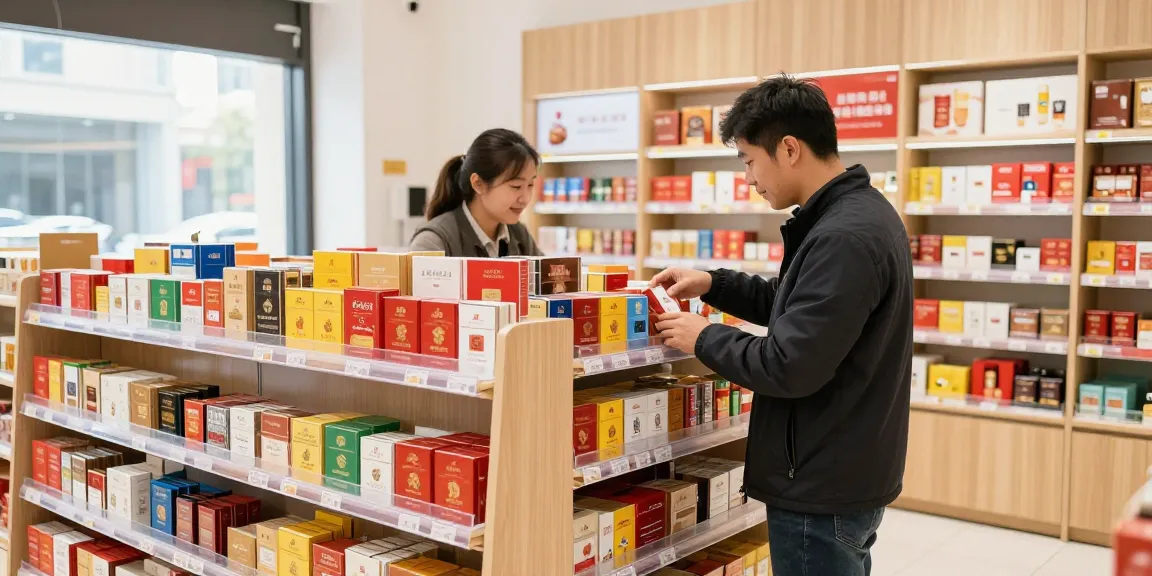
Understanding Retail Footfall Analytics
Definition and Importance
Retail footfall analytics is defined as the comprehensive measurement and analysis of the number of individuals entering, navigating through, and interacting within a retail environment. This is not merely a count of foot traffic; it provides deep insights into customer behaviors, preferences, and engagement dynamics. By utilizing advanced data analytics, retailers can understand customer flow, dwell time, and how effectively they engage with products and promotions. This analysis is vital because it enables businesses to optimize their sales strategies, enhance the customer experience, and maximize areas of their physical stores.
Key Metrics in Footfall Analytics
To leverage retail footfall analytics effectively, retailers should focus on several key metrics:
- Visitor Count: The total number of customers entering a store over a specific period.
- Dwell Time: The time customers spend in the store and in particular areas. This helps gauge interest and engagement with products.
- Traffic Patterns: Identifying peak traffic times and how customers move through the store can inform staffing and sales strategies.
- Conversion Rate: The percentage of visitors who make a purchase, providing insights into sales performance and customer engagement.
- Engagement Metrics: Interactions with displays, average purchase value, and customer return rates are also critical for understanding shopping behaviors.
How Footfall Analytics Improves Retail Strategies
Using retail footfall analytics allows retailers to tailor their strategies based on real data. By analyzing key metrics, stores can optimize product placements, adjust staffing levels based on customer traffic patterns, and enhance marketing campaigns. For example, if analytics indicate a spike in visitors on weekends, stores can plan special promotions during these times or ensure adequate staff presence to improve customer service. This data-driven approach can significantly lead to increased sales and customer satisfaction.
Tools and Technologies for Footfall Analytics
Types of Footfall Counting Technologies
Various technologies are available for collecting footfall data. Here are the most commonly used types:
- Infrared Sensors: These sensors count people as they pass through a designated area without intrusive methods.
- Video Analytics: High-resolution cameras analyze customer traffic and behavior through computer vision techniques.
- Wi-Fi Analytics: By tracking Wi-Fi signals from customers' devices, retailers can measure footfall and identify return visitors.
- Mobile Apps: Utilizing mobile apps that customers download and use allows for a robust collection of footfall data through location tracking.
Choosing the Right Software
Selecting software for footfall analytics requires careful consideration of multiple factors, including:
- Integration: The software should easily integrate with existing retail management systems and CRM solutions.
- Data Visualization: The ability to present data in a user-friendly dashboard format can greatly enhance decision-making.
- Scalability: The software needs to handle future growth and potential expansions in data utilization.
- Cost-Effectiveness: A clear ROI from the analytics tool must be evident for effective resource allocation.
Integrating Analytics Tools with Existing Systems
Successful integration of footfall analytics with existing retail systems is paramount. This includes aligning sales management, inventory systems, and customer loyalty programs with the data gleaned from foot traffic analyses. Ensuring seamless data sharing will facilitate more profound insights and actionable strategies across departments. This holistic approach allows for adapting business strategies based on comprehensive insights resulting from combined data analytics.
Analyzing Footfall Data Effectively
Identifying Patterns and Trends
Analyzing footfall data effectively involves identifying key patterns and trends. Retailers should regularly assess data for:
- Peak Shopping Times: Recognizing when customers are most likely to visit can inform staff schedules and inventory management.
- Popular Areas and Displays: Determining which sections of the store attract the most attention can optimize product placement and store layout.
- Behavioral Trends: Monitoring returning customers can indicate customer loyalty and satisfaction.
Utilizing Dwell Time and Customer Flow Data
Incorporating dwell time and customer flow data into the analytics strategy provides deeper insights into customer engagement. Retailers can analyze:
- Customer Engagement: How long customers engage with products can determine their interest level and inform product placements.
- Staffing Needs: Understanding flow patterns helps retailers optimize workforce management during peak and low traffic times.
- Promotional Effectiveness: Correlating dwell time with specific promotions can showcase the effectiveness of marketing efforts.
Interpreting Results to Drive Decisions
Interpreting footfall analytics results requires a strategic approach. Retailers must critical analyze data beyond surface metrics. For instance, correlating foot traffic increase with promotional activities or product launches can provide insights into marketing effectiveness. Additionally, looking at the conversion rate in relation to footfall changes can help in understanding areas where conversion efforts might be lacking. This comprehensive interpretation fuels informed decision-making, allowing for agile adaptations to strategies.
Best Practices for Implementing Footfall Analytics
Establishing Clear Objectives
To implement footfall analytics effectively, retailers should first establish clear objectives. When objectives are defined, it becomes easier to determine what metrics to focus on and how to apply the insights gained from data analysis. For example, if the objective is to enhance the customer experience, focusing on dwell time and areas of high engagement becomes crucial.
Regular Updates and Data Analysis
Beyond establishing clear objectives, maintaining regular updates and analysis of footfall data is vital. The retail environment is dynamic, and regular assessments allow retailers to stay current with changing trends and customer behaviors. This involves setting a schedule for data reviews, utilizing updated technology, and adapting strategies based on fresh insights.
Ensuring Customer Privacy and Compliance
As retailers delve into footfall analytics, it’s essential to prioritize customer privacy and compliance with regulations such as GDPR. Implementing transparent data collection policies, anonymizing customer data, and informing customers about the use of footfall analytics not only ensures compliance but fosters trust. Retailers must adopt a balanced approach that utilizes data while respecting customer privacy at all times.
Future Trends in Retail Footfall Analytics
The Role of AI and Machine Learning
The future of retail footfall analytics is profoundly influenced by advancements in AI and machine learning. These technologies enhance the ability to gather insights from complex data sets. For instance, AI algorithms can predict customer preferences based on historical footfall data and behavioral patterns, allowing retailers to anticipate customer needs with greater accuracy. As AI becomes more integrated into analytics tools, the depth and sophistication of insights will dramatically improve.
Predictive Analytics in Retail Spaces
Predictive analytics represents a growing trend within retail footfall analytics, enabling stores to forecast future behaviors based on existing patterns. For example, leveraging historical foot traffic data can allow retailers to predict peak shopping days or seasonal trends, aiding in inventory management and promotional strategies. This forward-thinking approach empowers retailers to proactively manage operations rather than reactively addressing issues as they arise.
Enhancing Customer Experience Through Data
Ultimately, the goal of retail footfall analytics is to enhance the customer experience. By understanding foot traffic dynamics, retailers can create engaging shopping environments tailored to customer preferences. This can include personalized marketing messages, optimizing store layouts for customer flow, and strategically placing promotional displays to enhance visibility and interest, ultimately leading to improved customer satisfaction and loyalty.
FAQs
What is footfall analytics in retail?
Footfall analytics in retail refers to the measurement and analysis of customer traffic patterns and interactions within a store, helping businesses improve operational efficiencies.
How can I measure footfall in retail?
Footfall can be measured using technologies like infrared sensors, video analytics, and Wi-Fi analytics to collect comprehensive data on customer visits and behaviors.
Why is dwell time important in footfall analytics?
Dwell time indicates how long customers engage with products, helping retailers understand interest levels and optimize product placement accordingly.
What metrics are most important in footfall analytics?
Key metrics include visitor count, dwell time, conversion rates, and traffic patterns, all of which provide insights on customer engagement and store performance.
How can data privacy be ensured in footfall analytics?
Ensuring data privacy in footfall analytics involves following regulations, anonymizing data, and maintaining transparent data collection policies to protect customer information.