
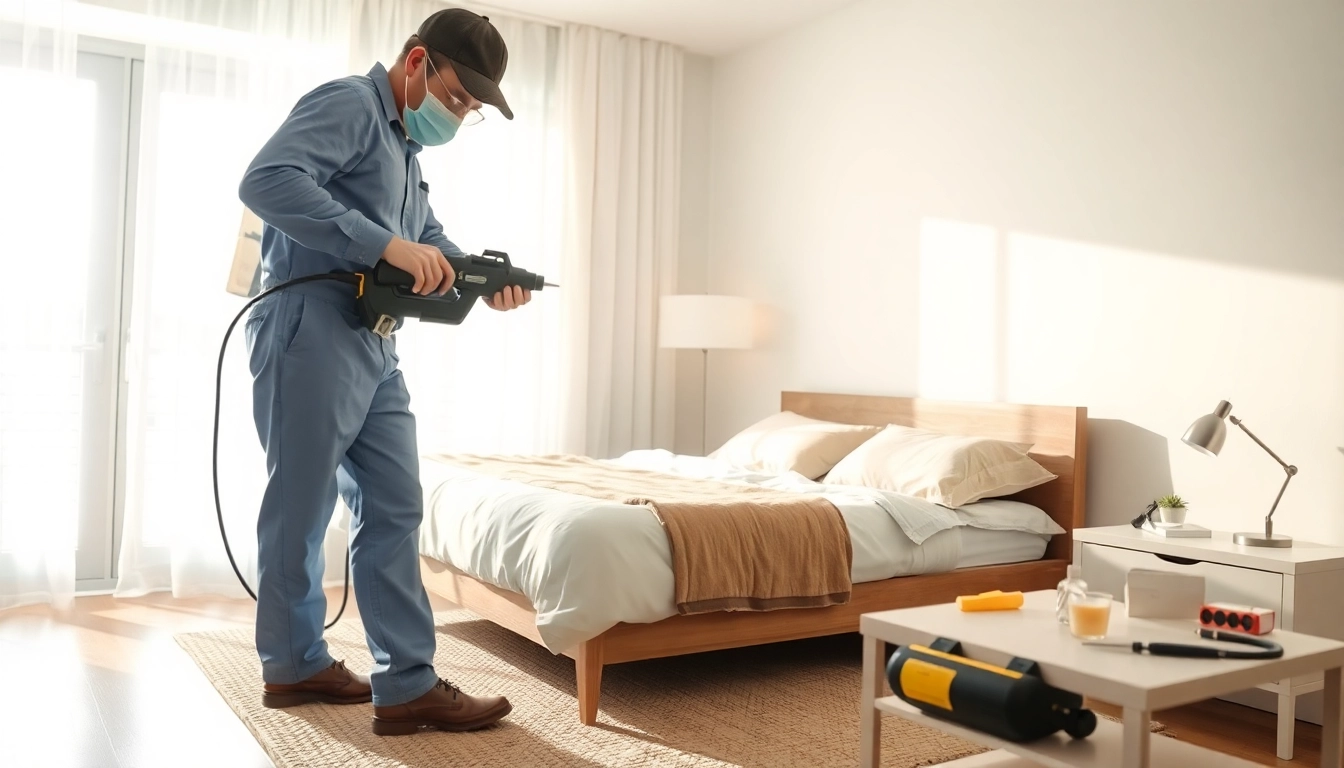
Understanding Bed Bugs: Anatomy and Behavior
Introduction to Bed Bugs
Bed bugs are small, parasitic insects that feed on the blood of humans and animals. Their size typically ranges from 1/4 inch to 3/8 inch long, and they have flat, oval bodies. Bed bugs are nocturnal and prefer to hide in cracks and crevices during the day, making them challenging to spot. An infestation can occur quickly as female bed bugs lay dozens of eggs, which hatch within a few days, escalating the problem significantly. Effective bed bug removal requires a comprehensive understanding of their behavior and biology.
Bed Bug Life Cycle
The life cycle of a bed bug consists of several stages: egg, nymph, and adult. A female bed bug can lay anywhere from 1 to 7 eggs per day, with an average of 200 to 500 eggs over her lifetime. Eggs are tiny and usually laid in clusters in hidden locations. After about 6 to 10 days, the eggs hatch into nymphs that molt five times before reaching adulthood. This process can take anywhere from several weeks to several months, depending on temperature and availability of food. Understanding this cycle is crucial in planning effective removal strategies.
Common Signs of Infestation
Detecting a bed bug infestation early can significantly impact the effectiveness of treatment. Common signs include:
- Small blood stains on sheets and mattresses.
- Dark, rusty spots of bed bug feces.
- Shed skins from molting nymphs.
- Unpleasant, sweet odor in extreme infestations.
- Visible bed bugs themselves, hiding in seams of mattresses and furniture.
If you notice these signs, it is imperative to take action quickly.
Preparing for Bed Bug Removal
Assessing the Infestation
A thorough assessment is the first step in the bed bug removal process. Check all locations where bed bugs may hide, including:
- Mattresses and bed frames.
- Cracks in walls and furniture.
- Behind baseboards and electrical outlets.
- Inside suitcases and clothing.
Using a flashlight and a magnifying glass can help identify bed bugs and their hiding spots. Documenting the locations is useful for planning the next steps.
Cleaning Your Home
Before treating your home, comprehensive cleaning can enhance the effectiveness of any removal strategy. Key steps include:
- Washing bed linens, curtains, and clothing in hot water.
- Vacuuming carpets, floors, and furniture thoroughly.
- Sealing and discarding infested items that cannot be treated.
Cleaning helps eliminate bed bugs and their eggs, making it easier for any treatment you choose to be more effective.
Identifying High-Risk Areas
Bed bugs often spread through travel, so it’s essential to inspect high-risk areas such as:
- Hotels and motels.
- Public transport.
- Used furniture or clothing.
Take preventive measures to avoid bringing bed bugs home, such as inspecting luggage and using protective covers for mattresses and pillows.
Professional Bed Bug Removal Techniques
Heat Treatment Method
Heat treatment is a highly effective professional method for bed bug removal. This process involves raising the temperature in infested areas between 120°F and 140°F. Bed bugs and their eggs cannot survive prolonged exposure to these temperatures. The treatment takes several hours, and it’s essential to allow professionals to carry out this method, as they have the necessary equipment and expertise to ensure thorough treatment.
Chemical Treatment Options
While chemical treatments are effective, they should be applied judiciously due to safety concerns. Common types include:
- Insecticides containing pyrethroids, which target bed bugs in their hiding spots.
- Desiccants, which work by drying out the bed bugs' exoskeleton.
- Biochemical insecticides that disrupt an insect's nervous system.
Always follow safety guidelines and consult professionals for safe application of chemical treatments.
Integrated Pest Management (IPM)
IPM is a holistic approach that combines multiple strategies for effective bed bug management. This includes:
- Regular monitoring and inspections.
- Using a combination of treatments, including heat, chemicals, and physical removal.
- Education on prevention and identifying signs of infestations early.
IPM is effective in minimizing chemical use while ensuring comprehensive bed bug management.
DIY Bed Bug Removal: Is It Effective?
Simple Home Remedies
While professional help is often recommended, some may wish to attempt DIY methods. These can include:
- Vacuuming regularly to remove bugs and eggs.
- Applying steam to infested areas, as high heat can kill bed bugs on contact.
- Using essential oils like tea tree oil or lavender, though efficacy may vary.
While these methods can help reduce bed bug populations, they are unlikely to entirely eliminate an infestation.
When to Seek Professional Help
Consider seeking professional help if:
- DIY methods do not yield results.
- The infestation is widespread.
- You are unsure of the best treatment options.
Professionals can provide tailored solutions based on the severity of the infestation and their expert knowledge.
Preventing Future Infestations
Once bed bugs are eliminated, it's crucial to take preventive measures to avoid future infestations. This includes:
- Using mattress and box spring encasements.
- Regularly decluttering and vacuuming.
- Being vigilant when traveling and inspecting luggage.
Taking these steps can significantly reduce the risk of future infestations.
Cost of Bed Bug Removal: What to Expect
Factors Influencing Cost
The cost of bed bug removal can vary based on several factors, including:
- Extent of infestation: Severe infestations typically require more extensive treatment.
- Type of treatment chosen: Heat, chemical, or integrated pest management have different costs.
- Location: Prices may vary based on regional labor rates.
Expect to invest a considerable amount in effective treatments, especially for extensive infestations.
Comparing DIY vs. Professional Costs
While DIY methods may seem less expensive, they often do not yield long-term results. Professional services may cost between $300 and $1,500, depending on various factors. Weighing the cost against the effectiveness and peace of mind professional services provide is crucial in decision-making.
Insurance and Bed Bug Removal
Many homeowner's insurance policies do not cover bed bug removal. It’s essential to check with your insurance provider beforehand. Investing in a pest control plan may offer an added layer of protection against potential infestations in the future.
Frequently Asked Questions
What kills bed bugs instantly?
High heat (over 115°F) or extreme cold (below 32°F) can kill bed bugs instantly. Chemical treatments can also be effective, though they often require thorough application.
How can I tell if I have bed bugs?
Look for signs like tiny blood spots on sheets, shed skins, dark spots of bed bug feces, and bites on your skin as indicators of an infestation.
Can I remove bed bugs myself?
While DIY methods such as vacuuming and washing bedding can help, severe infestations usually require professional intervention for effective eradication.
How much does bed bug removal cost?
The cost typically ranges from $300 to $1,500, varying based on infestation severity and selected treatment methods. Consultation with professionals can provide a more accurate estimate.
How can I prevent bed bugs?
Maintain cleanliness, regularly inspect your home, utilize mattress encasements, and exercise caution when traveling to help prevent bed bug infestations.