
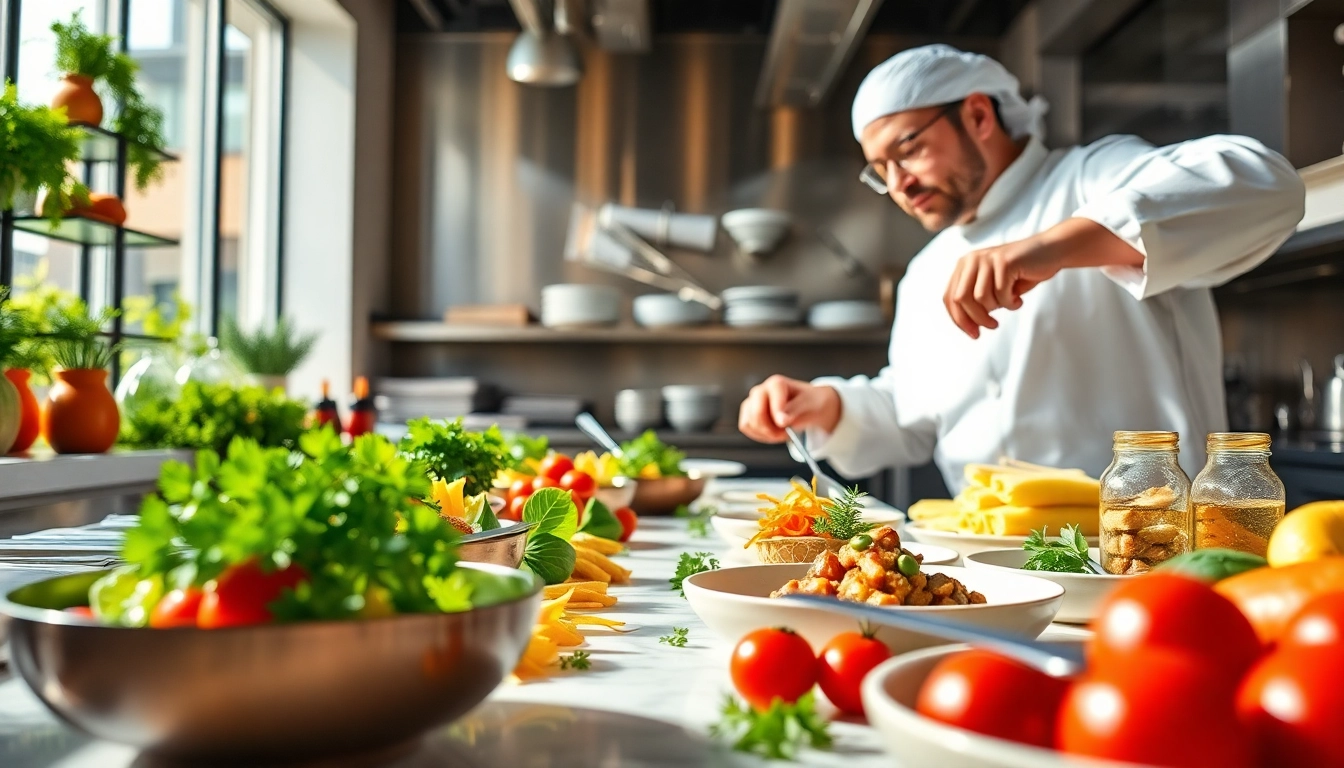
The Foundations of Fine Dining
Fine dining represents more than just eating; it's an experience that immerses diners in a world of culinary artistry, ambiance, and superb service. Understanding this intricacy involves several foundational elements that work harmoniously to elevate a meal into a memorable event. By starting with a well-thought-out menu and embracing the principles of presentation and atmosphere, restaurants can create a lasting impression.
Understanding Menu Design
The menu is often the first point of interaction between the diner and the restaurant; thus, its design is pivotal. A well-structured menu not only showcases culinary offerings but also tells a story about the restaurant’s ethos. It should be easy to navigate, with items categorized logically—appetizers, main courses, desserts, and beverages. Including detailed descriptions for each dish enhances the customer's understanding of portion, ingredients, and flavor profiles, encouraging informed choices.
While the mere aesthetics of a menu are crucial, functionality must also be prioritized. Incorporating slot online for online accessibility could cater to tech-savvy diners, offering an alternative to traditional printed menus. Promotions, tasting menus, and chef specials should be highlighted to direct customer attention effectively.
The Role of Presentation
First impressions are often made long before the food reaches the table. Plate presentation is an essential art form that can significantly influence the dining experience. Colors, textures, and arrangement play a crucial role in how a dish is perceived. Consider plating techniques that embrace both minimalism and creative boldness, allowing each ingredient's characteristics to shine while creating an inviting visual narrative.
Furthermore, balance is key. Dishes should look abundant yet not overwhelming. Utilizing garnishes adds a touch of sophistication but should enhance rather than detract from the main component. Plate ware should be chosen to compliment the dish, with contrasting colors promoting appeal. When executed correctly, the aesthetics of a meal can enhance the anticipation and enjoyment of the food.
Creating an Inviting Atmosphere
Ambiance ties back to the overall dining experience. Elements such as lighting, music, and decor contribute to the emotion and characteristics of a restaurant. Soft, dim lighting often creates an intimate vibe perfect for romantic dinners, while vibrant décor can energize and invigorate social gatherings.
Noise levels must also be carefully managed; too loud or too quiet can turn diners away. Background music should enhance the atmosphere but not dominate conversations. Every aspect of environment should be considered to evoke specific feelings, providing customers not just a meal, but an experience that they will remember fondly.
Ingredients that Elevate the Dining Experience
Behind every remarkable dish is an array of high-quality ingredients. Sourcing and selecting these elements can redefine the quality and authenticity of the dining experience. Understanding how each ingredient plays into the final product is vital for chefs and restaurant owners alike.
Sourcing Fresh and Local Produce
Working with local producers and farmers not only boosts community relationships but also ensures that ingredients are at their peak freshness. Seasonal produce tends to offer superior flavor and nutritional density. Building a network with local suppliers can foster sustainable practices, reduce carbon footprints, and even create unique menu offerings that change with the seasons.
Additionally, educating staff about the origins of ingredients can enhance the dining story told to customers, creating a deeper connection to the meal and the establishment's values.
Innovative Flavor Combinations
Creativity is the heart of culinary arts. Experimenting with innovative flavor combinations can set a restaurant apart. Chefs often utilize flavor pairing principles based on scientific findings, discovering which tastes complement one another. Pairings that enhance or contrast each other can create surprising yet pleasing experiences.
Additionally, offering fusion cuisines can attract adventurous diners looking for unique experiences. However, it's crucial that the integrity of each ingredient is maintained, ensuring that flavors harmonize rather than clash.
Balancing Tradition and Modern Techniques
The culinary world often stands at a crossroads between age-old traditions and modern innovations. While classic techniques provide a foundation for culinary skills, innovative methods—such as molecular gastronomy or sous-vide cooking—can redefine expectations and amplify flavor profiles.
Creating a balance between these two realms can lead to dishes that respect historical nuances while being undeniably modern. Restaurants that effectively integrate both can provide a remarkable dining experience that resonates with various clientele, from traditionalists to modern enthusiasts.
The Importance of Customer Service
Exceptional customer service is paramount in any dining establishment. A restaurant's reputation is often built upon the quality of service received, which can transcend even an exceptional menu. Training staff to understand the nuances of customer care is essential to fostering a loyal customer base.
Training Staff for Excellence
Regular training sessions focused on communication, menu knowledge, and service techniques can help staff meet varying customer needs effectively. Empowering the team to handle various situations—from dietary requests to conflict resolution—creates confidence and professionalism.
Moreover, employees who feel valued and educated are more likely to convey that enthusiasm during service, enhancing the overall dining experience for patrons.
Building Customer Relationships
Creating lasting relationships with customers can transform one-time visitors into loyal patrons. Personalized communication, remembering return guests' names, preferences, and special requests can make a significant impact. Emphasizing a warm, friendly attitude while maintaining professionalism enhances the sense of welcome.
Engaging diners through social platforms or loyalty programs, cementing these relationships outside the dining experience, ensures that customers feel valued even when they’re not at the restaurant.
Handling Feedback Effectively
No restaurant is perfect, and feedback—whether positive or critical—provides invaluable insights. Establishing a system for addressing feedback, both in-person and online, allows for immediate resolution of issues and demonstrates a commitment to quality service. Regular analysis of feedback can reveal trends and areas for improvement, guiding business strategy and customer satisfaction initiatives.
Creating a Memorable Experience
Memorable dining experiences find their roots in careful planning and creativity, often incorporating themed events and drink pairings that elevate the occasion. Crafting unique dining experiences can significantly enhance customer perceptions and loyalty.
Theme Nights and Special Events
Hosting special events such as themed dinners, cooking classes, or seasonal celebrations encourages engagement and excitement. These events can cater to diverse interests, whether through cuisine, decor, or curated experiences like wine tastings or chef meet-and-greets that allow customers to interact directly with culinary creators.
Leveraging social media to promote these events can also enhance visibility and entice both new and returning customers, creating buzz around the restaurant.
Pairing Food with Beverages
Food and beverage pairing can amplify flavor profiles and enhance the dining experience. Understanding how different wines, beers, and spirits can complement or contrast with food creates an opportunity for a unique tasting journey. Offering flight pairings or suggestions can provide patrons with guidance, making the dining experience feel curated and personal.
Utilizing Seasonal Ingredients
Incorporating seasonal ingredients into the menu not just supports local farming but ensures that diners are receiving the freshest flavors. Seasonal menus can evolve, enticing regulars to return and try new dishes. Additionally, they contribute towards sustainability practices, a growing concern among diners, particularly those focused on eco-conscious dining.
Measuring Success in Fine Dining
Evaluating performance in the fine dining industry requires careful metric analysis to understand customer trends and operational efficiency. Key performance indicators (KPIs) provide valuable insights into restaurant success.
Key Performance Indicators
Common KPIs include customer satisfaction scores, average revenue per guest, table turnover rates, and reservation lead times. Each metric can be quantified, providing insights that help restaurants adapt and thrive. Utilizing a data-driven approach allows establishments to pinpoint areas in need of improvement or opportunity.
Feedback and Reviews Analysis
Reviews—whether from diners or critics—are essential to understanding perceptions surrounding the establishment. Systematic approaches to gather and analyze feedback can provide direction for service enhancements. Adjustments based on this data can positively impact overall ratings and public perceptions.
Adapting to Market Trends
The dining landscape is continually evolving, and staying attuned to market trends is crucial. This adaptation might involve adjusting menus, implementing new technologies, or reevaluating marketing strategies to keep the restaurant relevant. By being proactive and responsive to changes, restaurants can position themselves favorably within the competitive fine dining sphere.
Frequently Asked Questions
What defines fine dining?
Fine dining typically refers to restaurants that offer superior cuisine, exceptional service, and an inviting atmosphere, often with a focus on presentation and a high-quality culinary experience.
How important is customer service in fine dining?
Exceptional customer service is vital in fine dining as it substantially contributes to the overall dining experience, helping to create memorable connections with patrons.
What factors influence menu design?
Menu design is influenced by factors such as culinary trends, ingredient availability, theme, target audience, and design aesthetics that communicate the restaurant's unique identity.
Why focus on local ingredients?
Focusing on local ingredients supports community economies, ensures freshness, enhances flavors, and resonates with eco-conscious consumers, making it a sustainable dining choice.
How do restaurants measure success?
Restaurants measure success through various KPIs, including customer satisfaction, financial performance, feedback analysis, and the ability to adapt to changing market trends.