
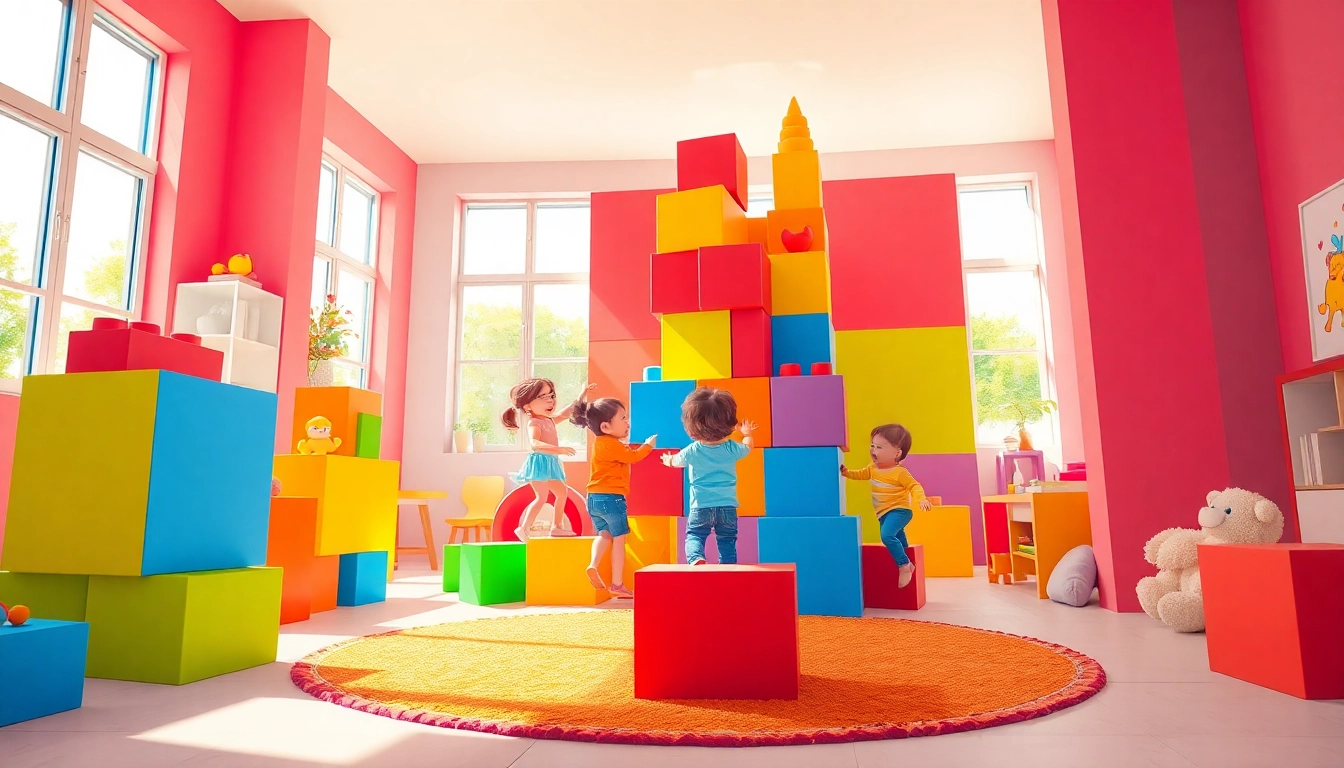
The Power of Large Building Blocks in Play
Children have an innate curiosity and a desire to explore the world around them, and large building blocks can significantly enhance this process of discovery. These oversized toys not only stimulate creativity but also provide opportunities for physical, cognitive, and social development. In this guide, we aim to bring to light the various aspects of playing with large building blocks and how they contribute to a child's growth. You can discover more about the immense benefits that come with these engaging play items.
Benefits of Giant Blocks for Creative Play
Large building blocks serve as an incredible medium for imaginative play. Their size makes them accessible and encourages children to think outside the box. When kids manipulate these blocks, they create structures that reflect their imagination, whether it's a towering castle or a spaceship. This process of creation aids in cognitive development, allowing children to explore geometry, balance, and spatial reasoning. By engaging with large blocks, children are not just playing; they're enhancing their problem-solving skills as they figure out how to stack and balance different shapes.
How Large Blocks Foster Social Skills
Playing with large building blocks often becomes a collaborative activity. When children join forces to construct a structure, they learn to communicate effectively, share ideas, and negotiate roles within a group. This cooperative play fosters important social skills and emotional intelligence. It teaches patience and the ability to compromise, essential tools for building relationships that will serve them well throughout their lives. Moreover, working together on a common goal can strengthen friendships and encourage teamwork.
Encouraging Problem Solving through Play
Giant building blocks challenge kids to think critically and creatively. Whether it's determining the best way to stack blocks or figuring out how to create a stable structure, these activities encourage children to analyze problems and devise solutions. This form of active learning enhances not only their cognitive skills but also their confidence in tackling challenges. Children gather hands-on experience with physics concepts such as gravity and balance while simultaneously developing strategic thinking by experimenting with various building techniques.
Choosing the Right Giant Building Blocks
Selecting the right giant building blocks involves several considerations, including safety, suitability for the child's age, and the variety of options available. Here’s a detailed look at factors that can help make the best choice for your little builders.
Materials That Matter: Safety First
The safety of children during playtime should always be a priority. Therefore, when selecting large building blocks, it’s crucial to choose those made with non-toxic, durable materials that are designed to withstand heavy usage. Look for blocks that are free from sharp edges and are lightweight enough for children to handle easily but sturdy enough to withstand enthusiastic play. Materials like foam, soft plastic, and wood that are treated for safety can offer a good balance between durability and safety.
Size Considerations for Different Age Groups
Age appropriateness is a significant factor when choosing large building blocks. Younger children, especially toddlers, should use larger blocks to prevent choking hazards and ensure ease of use. For children aged 3-5 years, blocks that are larger but manageable can enhance imaginative play while still ensuring safety. As children grow older, they may benefit from blocks of varying sizes to challenge their building skills further, allowing for more complex designs and structures.
Design Variations for Enhanced Fun
One of the exciting aspects of large building blocks is the variety of shapes and designs available. Some blocks are color-coded or come in unique shapes that can stimulate creativity and provide educational benefits such as color recognition and spatial reasoning. Consider sets that offer a mix of traditional square blocks and more abstract shapes like curves or triangular pieces. These variations can inspire children to think innovatively, resulting in more complex structures and imaginative play scenarios.
Setting Up the Perfect Indoor Play Space
Creating an optimized environment for using giant building blocks is essential to maximize play value and ensure safety. Below are key steps to set up an engaging indoor play space.
Creating a Safe Environment for Play
Your indoor play area should prioritize safety measures. Start by selecting a soft surface for play, such as a large mat or carpet, to cushion falls. Ensure the area is free of sharp objects or hazards that could risk injury. Consider adding storage bins to keep blocks organized, encouraging children to clean up after themselves and maintaining a tidy space for uninterrupted play.
Utilizing Space Efficiently
Think about the layout of your play area. Use a portion of a room that allows for freedom of movement, preferably in an area with ample room to build without obstacles. Create specific zones for building activities, role-playing, or other engaging tasks. This division can help children transition between different types of play while providing an organized experience, fostering creativity in a controlled manner.
Incorporating Other Play Materials
Encourage creativity by blending large building blocks with other play materials. Consider adding art supplies, fabric, or tools like toy vehicles to inspire imaginative play scenarios. This multi-faceted approach allows children to create diverse worlds, such as cityscapes or castles, enhancing their playtime and learning experiences. Moreover, this combination nurtures a child's ability to integrate various types of play, such as constructive and role-playing, enriching their overall development.
Engaging Activities to Inspire Children
To fully utilize the potential of giant building blocks, engaging activities can spark inspiration and facilitate learning through play. Here are some recommended activities that can captivate children's interest.
Constructing Themed Structures
Introduce themed building challenges to fuel creativity. For example, ask children to create their favorite storybook scene or design a magnificent castle. Providing a theme adds an exciting twist and encourages children to incorporate elements of storytelling into their building. This activity nurtures language skills as children articulate their thoughts and narratives about their creations.
Group Challenges to Boost Teamwork
Group challenges can effectively promote teamwork and collaboration among children. Set up a construction contest where groups work together to design the tallest tower or the most imaginative structure. Encourage them to discuss their plans, distribute tasks based on strengths, and develop leadership skills. Such cooperative endeavors foster a sense of community and belonging, as children cheer on their peers and celebrate each other's successes.
Integrating Learning with Play
Use giant building blocks as educational tools by incorporating lessons on science, technology, engineering, arts, and mathematics (STEAM). Ask kids to measure their structures, predict which designs will be stable, or incorporate simple engineering principles in their builds. This blend of education and play enhances learning engagement and promotes critical thinking by making subjects more tangible and enjoyable.
FAQs About Giant Building Blocks
What age is suitable for giant building blocks?
Kids aged 2 and up can enjoy giant building blocks, although always supervise younger children.
Can giant building blocks be used outdoors?
Yes, many large blocks are made with durable materials, suitable for outdoor play if designed for it.
How can we clean giant building blocks?
Use mild soap and water for cleaning; avoid harsh chemicals to maintain the integrity of the materials.
Do large blocks help with motor skills?
Absolutely! Manipulating big blocks promotes hand-eye coordination and fine motor skills in children.
Are there educational benefits to playing with large blocks?
Yes, they encourage creativity, problem solving, and spatial awareness, fostering essential learning skills.