Understanding AI Picture Generators
As technology continues to evolve at an unprecedented pace, the realm of digital artistry is witnessing a transformative revolution through the advent of AI picture generators. These innovative tools leverage machine learning algorithms to convert text prompts into stunning visual representations, broadening the horizons for artists and hobbyists alike. They have become essential not just for professional creators but also for anyone looking to explore their creative capabilities. The following sections delve into what AI picture generators are, how they shape artistic expression, and the core technologies that power these remarkable tools. If you're interested in harnessing the potential of AI art creation, the AI picture generator provides a wealth of resources to get started.
What is an AI Picture Generator?
An AI picture generator is a software tool that utilizes artificial intelligence to create images from textual descriptions. By inputting a specific phrase or concept, users can generate unique visual content that reflects their imagination. These generators are not only capable of creating static images but can also produce dynamic art pieces that evolve based on user interaction. Originally developed for niche markets, AI picture generators have become mainstream tools for various applications, including marketing, product design, and social media content creation.
How AI Transforms Artistic Expression
The integration of AI in art enables unprecedented creative possibilities. Artists can explore different styles and aesthetics without the limitations of traditional methods. For instance, an artist can input a simple description of a landscape and receive a multitude of artistic interpretations—from impressionistic to hyper-realistic styles. This democratization of art creation allows more individuals to express themselves artistically, bridging the gap between professional artists and amateurs.
Key Technologies Behind AI Image Generation
The backbone of AI picture generators lies in advanced technologies such as deep learning and neural networks. These algorithms analyze vast datasets of images and associated texts to learn how to produce new interpretations. By employing techniques like Generative Adversarial Networks (GANs) and Natural Language Processing (NLP), these tools can synthesize visually appealing images that closely align with user input. Additionally, advancements in computational power have significantly enhanced the efficiency and quality of image generation, making these tools more accessible to the general public.
Current Trends in AI Picture Generation
The landscape of AI picture generation is rapidly evolving, with several key trends shaping its future. As we move into 2026, the tools are becoming more sophisticated, catering to the nuanced demands of artists and designers. Understanding these trends is crucial for anyone looking to leverage the capabilities of AI in their artistic endeavors.
Popular Styles and Techniques in 2026
As AI technology continues to grow, so do the styles and techniques available for image generation. Currently, trends are leaning towards a blend of realism and surrealism, with artists employing AI to push the boundaries of creativity. Many are experimenting with hybrid styles that combine elements of different artistic movements, creating a unique visual language that reflects contemporary culture.
Integration of AI in Digital Art Platforms
With the rise of platforms that facilitate AI art creation, integration is becoming seamless. Numerous digital art software now include built-in AI features that assist artists in their workflow. For instance, tools that allow for real-time collaboration between human artists and AI are becoming increasingly popular, enabling a diverse range of artistic expression.
Collaborative Art Creation: Artists and AI
Collaboration between artists and AI brings forth new concepts that were once unimaginable. Artists are beginning to view AI not merely as a tool but as a creative partner. This shift in perspective has led to the emergence of interactive art installations where AI generates artwork based on audience feedback, creating a dynamic and engaging experience.
Benefits of Using AI Picture Generators
Embracing AI picture generators opens up new avenues for creativity and efficiency in the artistic process. The advantages are manifold, making them invaluable assets for anyone involved in creative fields.
Enhanced Creativity and Innovation
AI picture generators allow artists to explore uncharted territories of creativity. By providing inspiration drawn from vast databases of existing art, these tools empower creators to innovate without the fear of running out of ideas. The unique interpretations generated can spark new concepts and artistic directions that may not have been considered otherwise.
Time-saving Aspects for Artists
In today's fast-paced world, time is a valuable commodity for artists. AI picture generators streamline the creative process, enabling artists to quickly produce high-quality art without extensive manual labor. This efficiency not only saves time but also allows artists to focus on refining their concepts or exploring new projects.
Affordability and Accessibility of Digital Art Tools
The introduction of free and low-cost AI picture generators has made digital art more accessible than ever before. With minimal investment, aspiring artists can create professional-grade images, leveling the playing field and encouraging a more diverse range of voices in the art community. This accessibility helps foster an environment where creativity can flourish without financial barriers.
Best Practices for Artists Using AI
As beneficial as AI picture generators can be, utilizing them effectively requires a thoughtful approach. Here are some best practices that artists should keep in mind when working with these tools.
Setting Up Your Workspace for AI Art Creation
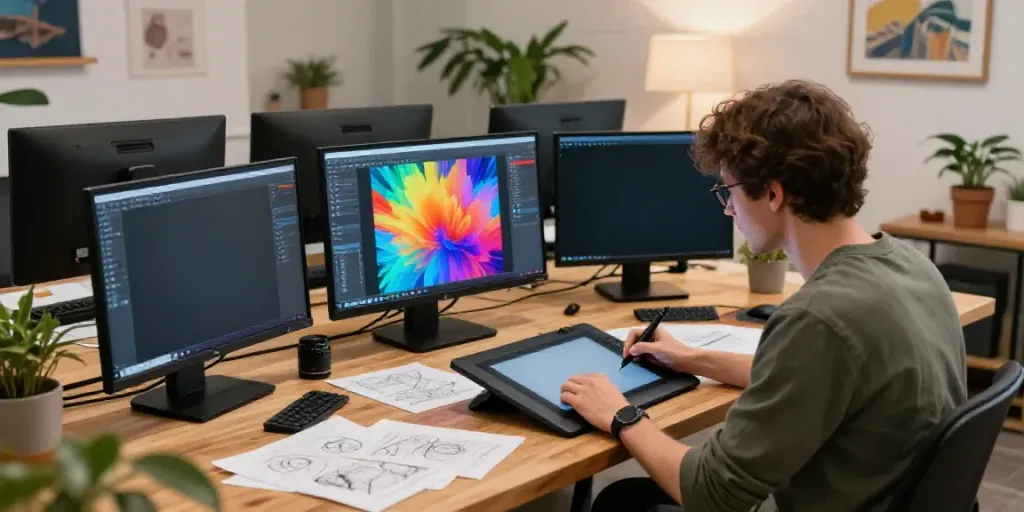
Create an environment conducive to creativity by optimizing your workspace for AI art generation. Ensure you have the right hardware, such as a powerful computer and a high-resolution monitor, to fully utilize AI capabilities. Additionally, consider the software you choose, as some platforms offer unique features that can complement your artistic style.
Combining Traditional and AI Techniques
One of the most exciting aspects of AI art is the possibility of blending traditional techniques with modern technology. Artists can start their projects using traditional media—like painting or sketching—and then enhance or modify them through an AI picture generator. This fusion can yield innovative results that honor traditional craftsmanship while embracing contemporary technology.
Ethical Considerations and Copyright in AI Art
As with any new technology, ethical implications must be considered. Artists should be aware of the ownership and copyright issues surrounding AI-generated works. It's essential to understand the terms of use for the AI tools being used and to ensure that the use of generated images aligns with ethical standards in the art community.
Future Predictions for AI in Art
The future of AI in art is bright, with exciting developments on the horizon. As technology continues to advance, several key predictions can be made about the direction of AI picture generation and its broader impact on the art world.
Upcoming Technologies to Watch
As we look to the future, emerging technologies such as augmented reality (AR) and virtual reality (VR) are expected to integrate more robustly with AI picture generation. These technologies will likely create immersive experiences where users can interact with AI-generated art in real time, blurring the lines between creator and audience.
Impact of AI on Art Community and Collaboration
The advent of AI in the art community is fostering collaboration on unprecedented scales. Artists from different genres are connecting through AI platforms, sharing techniques and insights that drive innovation. This communal approach allows for diverse perspectives that enrich the art created through these technologies.
Forecasting the Evolution of Digital Art Post-2026
By 2026, we can expect to see a significant evolution in digital art, shaped by the increasing accessibility and sophistication of AI tools. As these technologies become more integrated into everyday artistic practices, we will likely witness a rise in new genres and styles born from AI collaboration.
How to Stay Ahead in the AI Art Scene?
For artists eager to stay relevant in an ever-evolving landscape, continuous learning and adaptation are key. Engaging with online workshops, participating in forums dedicated to AI art, and experimenting with various AI tools will help artists remain innovative and informed. By embracing these strategies, artists can not only keep up with trends but also define them.