Understanding Furnace Installation Basics
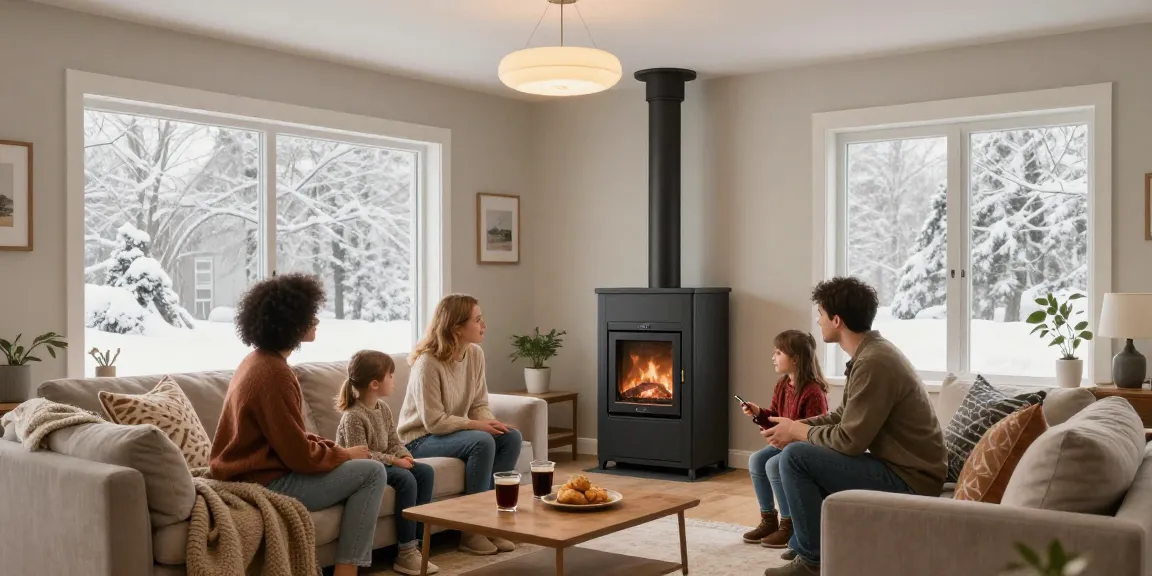
In Calgary's chilly climate, having a reliable furnace is essential for maintaining comfort in your home. When considering a Furnace Install Calgary, it's crucial to grasp the complexities involved in selecting and installing the right unit for your needs. From choosing the type of furnace that fits your home to understanding the installation process, this guide will equip you with the knowledge necessary to ensure a seamless heating solution.
What is Furnace Install Calgary?
Furnace installation in Calgary refers to the process of setting up a new heating system designed to efficiently warm your living spaces. This includes evaluating your home’s heating needs, selecting an appropriate model, and completing the installation in compliance with local building codes and standards. Proper installation not only enhances performance but also prolongs the life of your furnace.
The Importance of Professional Installation
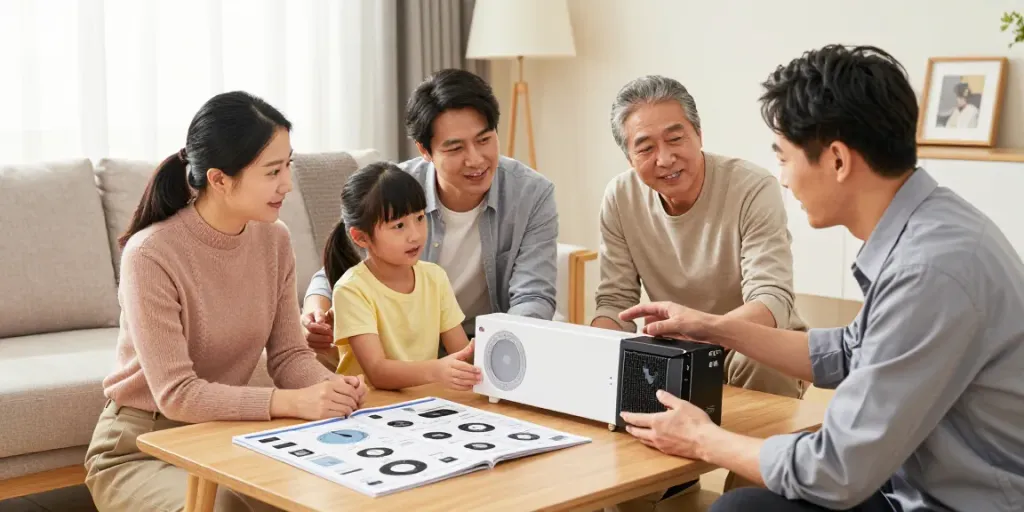
While DIY projects can be rewarding, furnace installation is best left to professionals. Incorrect installation can lead to decreased efficiency, higher utility bills, and even safety hazards such as gas leaks. Professional installers are trained to handle these systems, ensuring they operate safely and effectively. They also understand the nuances of Calgary's building codes, which can vary significantly by area.
Choosing the Right Furnace for Your Home
Choosing the right furnace involves considering factors such as the size of your home, energy efficiency ratings, and your budget. Whether you opt for gas, electric, or oil, understanding these elements will help you make an informed decision that meets your heating requirements while being cost-effective over time.
Common Types of Furnaces Available
Gas Furnaces: Efficiency and Performance
Gas furnaces are among the most popular heating solutions in Calgary due to their efficiency and ability to deliver consistent heat. They typically operate using natural gas, providing a cost-effective heating solution with lower monthly utility bills when compared to electric alternatives.
Electric Furnaces: Cost-Effective Options
Electric furnaces are another option, particularly in homes that do not have access to natural gas lines. While they can be less expensive to install, they often have higher operating costs due to electricity prices. However, advancements in technology have improved their efficiency, making them a viable choice for many homeowners.
Oil Furnaces: Pros and Cons
Oil furnaces can be a great option for homes in rural areas where gas lines are unavailable. They warm air quickly and can be more efficient than electric models. However, fluctuating oil prices can lead to unpredictable heating costs, making it imperative to consider long-term implications when choosing an oil-based system.
Cost Factors in Furnace Installation
A Breakdown of Furnace Install Calgary Prices
The cost of furnace installation in Calgary can vary significantly based on multiple factors, including the type of furnace selected, the complexity of the installation, and any additional modifications required. On average, homeowners might expect to pay between $3,000 and $8,000 for a new furnace installation, including both the unit and labor costs.
Understanding Labor Costs for Installation
Labor costs play a crucial role in the overall expense of furnace installation. On average, expect to pay between $70 and $150 per hour for professional installation services, depending on the complexity of the job and the expertise of the technician involved. It's advisable to obtain multiple quotes to ensure competitive pricing.
Potential Hidden Fees and How to Avoid Them
Hidden fees can sneak up on homeowners during installation projects. These may include costs for permits, additional materials, or unforeseen complications that arise during installation. To avoid surprises, always request a detailed quote that encompasses all potential expenses and ask about any factors that could lead to additional charges.
Preparing Your Home for Furnace Installation
What to Expect on Installation Day
Installation day can be a busy time, with technicians arriving early and bringing necessary tools and equipment. Homeowners should expect some disruption, as the installation process often involves removing old units, making adjustments to ductwork, and ensuring that all safety protocols are adhered to. Clear pathways for technicians to work can help facilitate a smoother process.
Pre-Installation Checklist for Homeowners
- Ensure clear access to the installation area.
- Remove any belongings or furniture that may obstruct the work.
- Confirm the installation time and discuss any last-minute questions with your contractor.
- Make arrangements for pets and children to be in a safe area away from the installation zone.
Common Challenges During Installation and Solutions
One of the most common challenges during furnace installation is dealing with existing ductwork that may need alterations to fit a new unit. Another potential issue is navigating the permitting process, which can vary by municipality. Working with experienced professionals who are familiar with Calgary’s building codes can help mitigate these challenges.
Future Trends in HVAC and Furnace Technology
Energy Efficiency Standards for 2026 and Beyond
As energy efficiency becomes increasingly important to homeowners and policymakers alike, expect new regulations mandating higher efficiency standards for furnaces. The implementation of more stringent codes will likely push manufacturers to innovate and offer models that consume less energy while providing superior heating performance.
Smart Thermostats and Automation Integration
Smart home technology is revolutionizing the HVAC industry. Smart thermostats allow homeowners to control their heating remotely, optimizing energy usage and reducing costs. When integrated with a new furnace, these systems can significantly improve efficiency by adapting heating schedules according to real-time occupancy and temperature data.
Innovative Heating Solutions for Modern Homes
Emerging heating solutions, including radiant heating systems and ductless mini-splits, offer unique alternatives for Calgary homeowners. These technologies provide efficient heating and can be tailored to specific home layouts, leading to improved comfort and energy savings.
What are the Benefits of Furnace Maintenance?
Routine maintenance is key to ensuring your furnace runs smoothly and efficiently. This involves cleaning and inspecting the furnace, replacing filters, and identifying potential issues before they become major problems. Regular maintenance can enhance energy efficiency, extend the lifespan of the unit, and ensure safety.
How Often Should You Schedule Maintenance for Your Furnace?
Homeowners should aim to schedule furnace maintenance at least once a year, ideally before the heating season starts. Regular inspections and tune-ups can catch problems early and help maintain optimal performance throughout the colder months.
Common Signs Your Furnace Needs Repair?
Watch for warning signs that your furnace may need attention, such as unusual noises, fluctuating temperatures, increased energy bills, or yellowish pilot light flames. Promptly addressing these issues can prevent more expensive repairs down the line.
What Are the Advantages of Upgrading Your Furnace?
Upgrading to a modern furnace can offer numerous benefits, including improved energy efficiency, better heating performance, and increased home value. Newer models often come equipped with advanced technology that enhances control over heating systems and reduces overall energy costs.
How Can You Improve Energy Efficiency in Your Home?
Beyond upgrading your furnace, several measures can improve overall energy efficiency. For more information, Furnace Install Calgary offers valuable insights. Proper insulation, sealing windows and doors, and managing thermostat settings can significantly reduce heating costs. Implementing energy-efficient habits further complements the efficiency of your new furnace.